As Nepal’s elderly population continues to grow, so does the need for the professionally trained caregiver. Whether you want to work in an old age home, hospital, rehabilitation center, home health care service, or to support your family members. To develop the right career with the caregiving skills, it can open the door to the meaningful career opportunities.
The Elderly Caregiver Training Course at Apex Skills Academy is designed to prepare those who are aspiring to have a career in the caregiver field with practical knowledge, professional guidance and hands-on training. This course focuses on helping the learners to understand the emotional, physical and healthcare needs of older people while building confidence alongside it to provide safe, respectful, and person-centered care.
Unlike other training programs, which mostly relay only the theories, our training program combines learning with the practical classes, demonstrations, and real-life caregiving scenarios. Students will be able to learn all the required essential skills, such as personal care, mobility assistance, nutrition support, infection prevention, dementia awareness, first aid, communication, and professional ethics.
Whether you are recent college graduated or you have completed your SEE, someone who is looking to enter in this healthcare field, or an individual who is providing care and service to your elderly family members, or someone who is preparing for the employment opportunities within the country or foreign employment opportunities, this course will be very helpful and will be able to provide the structured pathway to build your practical caregiving skills.
At Apex Skills Academy, our mission is to not only teach you caregiving techniques but also to make your industry ready compassionate professionals who understand the quality of elderly care is built on pride, dignity, respect and empathy.
Quick Course Information
|
Detail
|
Information
|
|
Course Name
|
Elderly Caregiver Training
|
|
Duration
|
6 Weeks (Basic) / 12 Weeks (Advanced)
|
|
Training Mode
|
Physical Classroom
|
|
Practical Training
|
Included
|
|
Locations
|
Chabahil & New Baneshwor, Kathmandu
|
|
Eligibility
|
Open to Beginners (SEE/+2 and Above Recommended)
|
|
Certification
|
Course Completion Certificate (According to Institute Policies)
|
|
Fees
|
Basic: Rs. 45,000 • Advanced: Rs. 85,000
|
|
Installment Facility
|
Available
|
|
Class Size
|
Small Batches for Better Learning
|
Admissions are now open. Contact US for admission and to know about the next available intake class.
Why Choose Elderly Care as a Career?
Healthcare is one of the most rapidly growing industries in the whole world, and elderly care has become one of the important sectors of health care. Improvement in health care leads to a healthy life and better life expectancy among the people, and they will be able to live longer than before.
As people begin to age, they see certain changes in their body, they may experience changes in their physical strength, memory, vision, hearing, mobility, and overall health. Many older adults also live with long-term medical conditions such as high BP, diabetes, arthritis, stroke recovery, Parkinson’s disease, or dementia. These conditions often require knowledgeable, patient, and compassionate care.
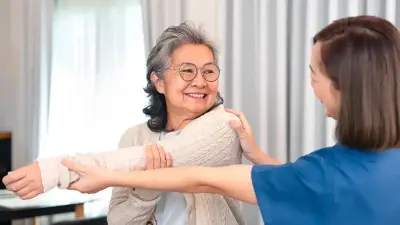
An elderly caregiver helps those individuals to perform everyday activities safely while promoting dignity and independence. Depending on the caregiver setting, they may be able to assist with:
- Personal hygiene and grooming.
- Bathing and dressing.
- Mobility and safe transfers.
- Meal preparation and feeding support.
- Monitoring general health conditions.
- Providing companionship and emotional support.
- Maintaining a safe and clean environment.
- Communicating with family members and healthcare professionals.
Caregiving is much more than helping the elderly with physical tasks. It is more about understanding their situations and the emotional, psychological, and social needs of the older adults and providing proper care to them while respecting their individuality and quality of life.
Looking for the right elderly care facility for your loved one?
Before making a decision, read our detailed guide on How to Choose the Right Old Age Home: 10 Questions Every Family Must Ask to understand what families should consider before selecting an elderly care home
Why is the demand for caregivers increasing?
The need for trained and professional caregivers continues to grow for several important reasons.
Aging Population
People are able to live longer nowadays because of the advances in the medicine and healthcare sectors. As the numbers of older adults on the rise increase, so do the skilled individuals to take care of them.
Changing Family Structure
Many families have their members abroad in some other part of their cities and countries for better opportunities which makes it hard for them to take care of their old ageing parents or grandparents. This is where professionals’ caregivers act as a bridge and close the gap by providing reliable assistance and companionship to them.
Increasing Awareness of Elderly Care
Today’s families are aware of the need for and importance of professional caregiving. Properly trained caregivers understand safe patient handling, infection control, nutrition, communication, and respectful care practices that will contribute to better quality of life.
Growth of Home Healthcare
Nowadays many older adults prefer receiving care in the comfort of their own homes rather than shifting towards care facilities. This trend has created greater demand for trained home caregivers who can deliver personalized support while helping seniors remain independent.
Want to understand what caregivers actually do on a day-to-day basis? Read our detailed guide on What Does an Elderly Caregiver Do? Roles and responsibilities to learn about the daily duties, responsibilities, skills, and work settings of professional elderly caregivers.
Why Choose Apex Skills Academy for Elderly Caregiver Training?
Choosing the right training center is one of the most important decisions when starting the career in healthcare. A high-quality training program should be able to provide more than learning. As this is a newly introduced program, we have carefully developed the curriculum to meet the growing demand for skilled caregivers in Nepal while following modern caregiving practices.
Although we have just started this course, our aims remain the same—to provide quality education with practical learning opportunities and continuous guidance throughout the course.
Practical Learning That Builds Confidence
Caregiving is a hands-on profession. Only reading books would not help you to gain the practice required to support the elderly safely and confidently.
Our training focuses on both aspects: practical demonstrations that will allow the students to understand how caregiving techniques are performed in real situations and theoretical explanations that help them to understand ideas and concepts.
Practical learning plays a huge part for the students to become comfortable with the tasks they are likely to perform in the real-life scenario whether they are in the hospital or home care setting or rehabilitation center or in the elder care facilities.
Small Batch Learning
We believe that all students deserve equal and personal attention during the training period. So, instead of the crowded classrooms, we prefer to keep the batch size small where it will allow the instructor to spend more time with the students by answering questions, demonstrating techniques, and helping them to build confidence through individual guidance.
A smaller learning environment also encourages interaction between the instructor and the students, helping them to discuss and understand the caregiving concept in a better way.
Experienced Healthcare Instructors
Our classes and training are delivered by the instructor with the healthcare knowledge and skills alongside practical experience in patient care and elderly support.
Students are taught not only how to care for patients but also professional behavior, communication, maintaining patient dignity, infection prevention, and ethical responsibilities.
Apex Skills Academy will further build on its practical learning resources and training opportunities as the program expands, ensuring that students have a robust learning experience.
Flexible Learning Options
We understand that many learners have work, study, or family responsibilities.
To make caregiver education more accessible, we offer:
- Classroom-based learning
- Flexible batch timings
- Practical assessment support
Who Can Join This Course?
This course is suitable for every learner from different educational and professional backgrounds. You do not need to have previous experience in health care to start learning.
This course is ideal for:
SEE and +2 Graduates
Students who wish to enter the healthcare sector as their main profession without any nursing degree can begin their practical caregiving skills through this program.
It provides an excellent foundation for those individuals interested in elderly care and patient care support services.
Individuals looking for employment
If you are looking for a profession with high demand, caregiver training provides practical skills with the opportunity, which may help you pursue your opportunities in:
- Hospitals
- Old age homes
- Rehabilitation centers
- Home healthcare services
- Community healthcare organizations
Existing Caregivers
This course can be taken by those individuals who are already working or currently working as caregivers so they can strengthen their knowledge, improve their practice skills, build more confidence in their professional carrier.
Family Members Caring for Elderly Relatives
Many individuals want to join these types of classes not because they want employment opportunities, but because they want to take care of their aging parents or grandparents at home.
Learning proper hygiene care, nutrition support, mobility assistance, and communication techniques can improve both safety and quality of life for elderly family members.
Individuals preparing for future overseas opportunities
Many countries are experiencing growing demand for trained caregivers; this is where this course will help you. Although overseas employment depends upon language proficiency, visa regulations, employer requirements, and local licensing, completing professional caregiver training can help learners to build relevant practical knowledge before pursuing their careers.
What Will You Learn During This Course?
Our training course has been designed to develop both technical and caregiving skills and professional confidence.
Rather than focusing only on memorizing the information, students will learn why caregiving techniques are important and how they should be applied safely.
Understanding Aging and Elderly Care
Students will start their course by learning about the aging process. The physical, emotional, and psychological changes that occur when people grow older.
Topics include:
- Normal aging process
- Common health conditions among elderly individuals
- Emotional well-being
- Respect and dignity
- Independence and quality of life
- Professional responsibilities of caregivers
Understanding this concept will help the students to provide passionate and person-centered care to the old people.
Personal Care and Daily Living Assistance
Personal care is one of the most important responsibilities for a caregiver.
Students will learn the safe and sound techniques to assist the older adults with:
- Bathing
- Dressing
- Grooming
- Oral hygiene
- Feeding
- Toileting
- Skin care
- Bed making
- Position changes
- Daily hygiene routines
Throughout this whole program, instructors will emphasize maintaining patient privacy, dignity, and comfort.
Safe Patient Handling and Mobility Assistance
Improper handling training can put both the caregiver's and the patient's lives at risk.
Students will learn:
- Safe lifting principles
- Wheelchair assistance
- Walking support
- Fall prevention
- Bed-to-chair transfers
- Correct body mechanics
- Mobility support techniques
Practical class sessions will allow the students to practice these skills in a safe learning environment.
Nutrition and Meal Support
Healthy food with good nutrition plays a good role in healthy aging.
Students will learn:
- Nutritional needs of elderly adults
- Balanced meal planning
- Hydration monitoring
- Feeding assistance
- Supporting individuals with swallowing difficulties
- Food hygiene
- Recognizing signs of malnutrition
This module will help them to understand how nutrition can contribute to overall health and recovery.
Health Observation and Basic Care Support
Although caregivers are not qualified as nurses, they can often notice the changes in the person's condition.
Students will learn:
- Observe general health
- Recognize warning signs
- Monitor vital signs (as trained)
- Record observations accurately
- Communicate concerns with healthcare professionals
- Support medication routines according to care plans
On-time observations can play a vital role in ensuring timely medication.
Dementia and Alzheimer's Care
To treat the patient having Alzheimer's requires patience, care, understanding, and specialized communication skills.
Students are introduced to:
- Dementia awareness
- Alzheimer's disease
- Memory loss support
- Behavior management
- Communication techniques
- Creating safe environments
- Supporting families
This will prepare the students to provide respectful, person-centered care for individuals experiencing these conditions.
Infection Prevention and Patient Safety
Maintaining hygiene protects both caregivers and patients.
Students will learn:
- Hand hygiene
- Personal protective equipment (PPE)
- Cleaning procedures
- Waste disposal
- Infection prevention
- Food safety
- Patient safety practices
These principles are applicable across hospitals, elderly care homes, and home healthcare environments.
First Aid and Emergency Response
Emergencies can happen unexpectedly, so caregivers are taught to stand by.
Students receive an introduction to:
- Basic first aid
- Choking response
- Fall management
- Bleeding control
- Emergency communication
- Accident reporting
- Recognizing medical emergencies
Learning these types of skills will help the caregivers to respond calmly while seeking appropriate assistance.
Our Training Methodology
At Apex Skills Academy, we believe that effective learning can only happen when students take active participation rather than listening to the lectures only.
Our training methodology combines:
- Interactive classroom sessions
- Practical demonstrations
- Scenario-based learning
- Group discussions
- Instructor feedback
- Hands-on practice
- Real-life caregiving examples
This type of approach will help the students to develop both technical competencies and the confidence to apply their knowledge.
Why Our Training Approach is Different from Others
As a newly launched program, we have access to all the modern equipment and the modern teaching practices rather than relying on the outdated methods.
Our focus is on:
- Practical learning over memorization.
- Building confidence through guided practice.
- Teaching respectful, person-centered care.
- Developing communication and professionalism alongside technical skills.
- Preparing students for real caregiving situations they may encounter in Nepal and beyond.
With the mixture of both, we aim to help the students to build a strong foundation for a career in elderly care.
Certification Upon Successful Course Completion
Completing the Elderly Caregiver Program is more than finishing the training—it is the beginning of your professional journey in the health care sector. At Apex Skills Academy, students who successfully complete their course will receive a Course Complete Certification according to the institute policy.
The certificate demonstrates that you have successfully completed your training course covering:
- Elderly care fundamentals
- Personal care and hygiene
- Safe patient handling
- Mobility assistance
- Nutrition and meal support
- Dementia awareness
- Infection prevention
- Basic first aid and emergency response
- Professional communication
- Ethical caregiving practices
This certificate will help you to reflect your knowledge and the practical skills that you have developed during your time in the training, which will strengthen your profile while applying for a job.
Career Opportunities After Completing the Course
Professional caregivers’ demands are on the rise. After completing this course, learners will be able to explore their opportunities in:
Elderly Care Facilities
- Old age homes
- Assisted living centers
- Residential care facilities
Want to understand where professional caregivers work?
Read our comparison of Old Age Home vs Home Care in Nepal to learn how these two care settings differ and where trained caregivers are most needed.
Hospitals and Healthcare Institutions
- General hospitals
- Rehabilitation centers
- Community healthcare facilities
- Long-term care centers
Home Healthcare Services
Many families prefer elderly care at home. Trained caregivers can assist older adults in maintaining their independence while receiving professional support in familiar surroundings.
Community and Social Care Organizations
NGOs, community health programs, and organizations supporting senior citizens may also require trained caregivers.
International Career Opportunities
The global demand for caregivers is on the rise; many countries are facing a shortage of skilled caregivers for their aging population and increase in healthcare needs.
Depending on the language proficiency, immigration requirements, employment opportunities, and local licensing rules, trained caregivers may be able to explore opportunities in countries such as
- Japan
- Germany
- South Korea
- Australia
- Canada
- United Kingdom
- New Zealand
- Gulf Countries
Completing training is one important step, but landing the employment also depends on meeting the designated country’s specific requirements.
Planning to work as a caregiver in Japan?
Read our complete guide on How to Become a Caregiver in Japan: TITP vs. SSW Explained to understand eligibility, language requirements, training, and career pathways.
Caregiver Salary in Nepal and Abroad
One of the frequently asked questions by students before enrolling is, “How much can I earn as a caregiver?"
This answer depends on the various factors, including your experience, employer location, language skills, responsibilities, and whether you work in Nepal or overseas.
Entry-level caregivers working in hospitals, old age homes, rehabilitation centers, or home healthcare services generally earn between:
Estimated Caregiver Salary in Nepal
Entry-level caregivers working in hospitals, old age homes, rehabilitation centers, or home healthcare services generally earn between:
|
Experience
|
Estimated Monthly Salary
|
|
Fresher
|
Rs. 18,000 – Rs. 25,000
|
|
1–2 Years Experience
|
Rs. 25,000 – Rs. 35,000
|
|
Experienced Caregiver
|
Rs. 35,000 – Rs. 50,000+
|
Salaries may depend on several factors:
- Employer
- City
- Shift schedule
- Type of healthcare facility
- Experience
- Additional responsibilities
Some employers may also provide food and lodging services alongside overtime benefits.
International Caregiver Salary
Many students are interested in working abroad because several countries continue to experience a shortage of trained caregivers.
Approximate salary ranges are shown below for general reference only.
|
Country
|
Approximate Monthly Salary*
|
|
🇯🇵 Japan
|
NPR 180,000–300,000+
|
|
🇩🇪 Germany
|
NPR 250,000 – 450,000+
|
|
🇰🇷 South Korea
|
NPR 220,000 – 380,000+
|
|
🇦🇺 Australia
|
NPR 350,000 – 700,000+
|
|
🇨🇦 Canada
|
NPR 300,000 – 650,000+
|
|
🇦🇪 UAE & Gulf Countries
|
NPR 80,000–180,000+
|
Note: *These figures are approximate estimates converted to Nepali Rupees and may vary based on employer, qualifications, exchange rates, language proficiency, overtime, and immigration policies. They are provided for general information only.
What Affects Your Salary as a Caregiver?
The salary of the caregivers depends on several factors, including your capabilities, qualifications, work experience, and the country you work in. While entry-level caregivers start with the basic salary, as the time being those who continue to develop their skills overtime often get to enjoy better carrier opportunities and higher earning potential.
1. Professional Training
Employers generally prefer caregivers with professional training and who possess practical caregiving skills. Completing a recognized certified training program will help you to develop the knowledge and confidence skills required to provide quality elderly care, making you a stronger candidate during the hiring process.
2. Work Experience
Experience is one of the major factors influencing your salary. As caregivers gain practical experience, they become increasingly confident and expert in handling elderly patients, managing emergencies, and communicating effectively with health care professionals and families.
3. Language Skills
For those interested in international opportunities, language proficiency can significantly improve employability.
For example:
- Japanese Language – Useful for caregiver opportunities in Japan.
- German Language – Important for many healthcare roles in Germany.
- English Language – Beneficial for countries such as Australia, Canada, the United Kingdom, and many international healthcare environments.
Strong communication skills can increase both employment opportunities and long-term career growth.
4. Additional Certifications
Continuing your education can help you specialize in different areas of healthcare.
Examples include:
- Dementia Care
- Palliative Care
- First Aid & CPR
- Infection Prevention & Control
- Patient Handling Techniques
- Rehabilitation Support
Additional training demonstrates your commitment to professional development and may improve future career prospects.
5. Type of Employer
Salary may also vary depending on where you work.
Examples include:
- Hospitals
- Elderly Care Homes
- Home Healthcare Services
- Rehabilitation Centers
- Private Families
- International Healthcare Organizations
Each workplace has different responsibilities, work schedules, and compensation structures.
Career Growth in Elderly Care
One of the greatest advantages of becoming a caregiver is the opportunity for continuous professional growth. As you gain experience and develop specialized skills, you may qualify for positions with greater responsibility.
Typical Career Progression
|
Experience
|
Possible Career Position
|
|
Entry Level
|
Elderly Caregiver
|
|
1–2 Years
|
Senior Caregiver
|
|
3–5 Years
|
Home Care Supervisor or Team Leader
|
|
Experienced
|
Healthcare Assistant or Patient Care Coordinator
|
|
Additional Education
|
Nursing Assistant, Community Healthcare Worker, or Other Healthcare Roles
|
With continuous learning, practical experience, and professional development, caregiving can become a strong foundation for a long-term career in the healthcare sector.
Basic vs. Advanced Elderly Caregiver Training
Choosing the right course depends on your goals and experience.
|
Feature
|
Basic Course
|
Advanced Course
|
|
Duration
|
6 Weeks
|
12 Weeks
|
|
Suitable For
|
Beginners
|
Students seeking advanced skills
|
|
Personal Care
|
✔
|
✔
|
|
Mobility Assistance
|
✔
|
✔
|
|
Nutrition
|
✔
|
✔
|
|
First Aid
|
Basic
|
Advanced Practice
|
|
Dementia Care
|
Introduction
|
Comprehensive Training
|
|
Patient Observation
|
Basic
|
Advanced Monitoring Awareness
|
|
Rehabilitation Support
|
Basic Concepts
|
Expanded Learning
|
|
Practical Sessions
|
Included
|
Extended Practical Training
|
|
Career Preparation
|
Nepal
|
Nepal + International Preparation
|
Both programs focus on practical learning, but the Advanced Course provides greater depth and additional exposure to complex caregiving situations.
Course Duration and Class Schedule
We understand that students have different learning needs and schedules. That's why our caregiver training program offers flexible options.
Basic Course
- Duration: 6 Weeks (1.5 Months)
- Daily Class: Approximately 1.5 Hours
Advanced Course
- Duration: 12 Weeks (3 Months)
- Daily Class: Approximately 1.5 Hours
Classes are delivered through instructor-led sessions supported by demonstrations, discussions, and practical activities.
Batch schedules may vary throughout the year. Contact our admissions team for the latest intake dates.
Course Fees
We believe in transparent pricing so students can make informed decisions.
|
Course
|
Fee
|
|
Basic Elderly Caregiver Training
|
Rs. 45,000
|
|
Advanced Elderly Caregiver Training
|
Rs. 85,000
|
Why can this course be a valuable investment?
Healthcare contributes to one of the world’s biggest and fastest-growing sectors, and elderly care demand is also increasing as the population ages.
Professional caregiver training helps learners:
- Build practical healthcare skills.
- Improve confidence in patient care.
- Develop professional communication.
- Learn safe caregiving techniques.
- Prepare for opportunities in healthcare settings.
- Support elderly family members more effectively.
Beyond employment, these skills can make a meaningful difference in the lives of older adults and their families.
Contact Apex Skills Academy.
Training Centers
Chabahil – Gopikrishna, Kathmandu
New Baneshwor – Suruchi Marga, Kathmandu
Chabahil: 9801910595 / 9841794952
New Baneshwor: 9801359697 / 9801359698
Email: info@apexskillsaccademy.com
Website: www.apexskillsacademy.com
Office Hours: Sunday to Friday, 7:00 AM – 6:00 PM
Take the first step to a rewarding career in healthcare.
All great caregivers start with the commitment to learn.
If you are aiming to pursue a career in an elderly care facility, to provide for your own parents or to gain hands-on healthcare experience for future employment opportunities, Apex Skills Academy is dedicated to equipping you with the knowledge, confidence and professionalism needed to provide quality elderly care.
If you are looking to make the next step, please reach out to our admissions team today to find out more information about upcoming batches, timelines, fees and how to enroll.