When you are hungry at midnight and try to order the food, but the order place button isn’t showing, or when you open your banking app to transfer money…… and it crashes. It’s frustrating, right?
This issue or glitch rarely happens by accident. Behind every app and website you use on a daily basis, there is a dedicated QA tester present to make sure there won’t be any glitches, hunt bugs, provide stress-test features, and ensure that the digital world does not fall apart.
In the context of 2026, with AI-generated code that is flooding the system and user expectations that are getting higher than ever before, the role of QA tester has never been more serious. They help to prevent disasters, which cost around billions, and protect your valuable time, data, and trust.
Here’s the reason why this job matters more than people realize.
What does a QA tester actually do?
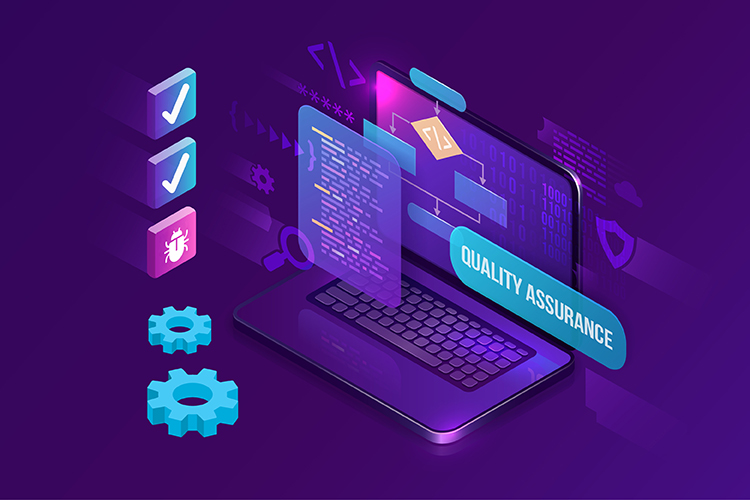
A QA (Quality Assurance) tester is the person who is responsible for software working as intended, performing well under real-world conditions, and delivering a great user experience.
Daily responsibilities of a QA tester typically include:
- To write and execute the test case (detailed scenarios to check each and every feature).
- Help to perform manual testing for usability, edge cases, and user intentions.
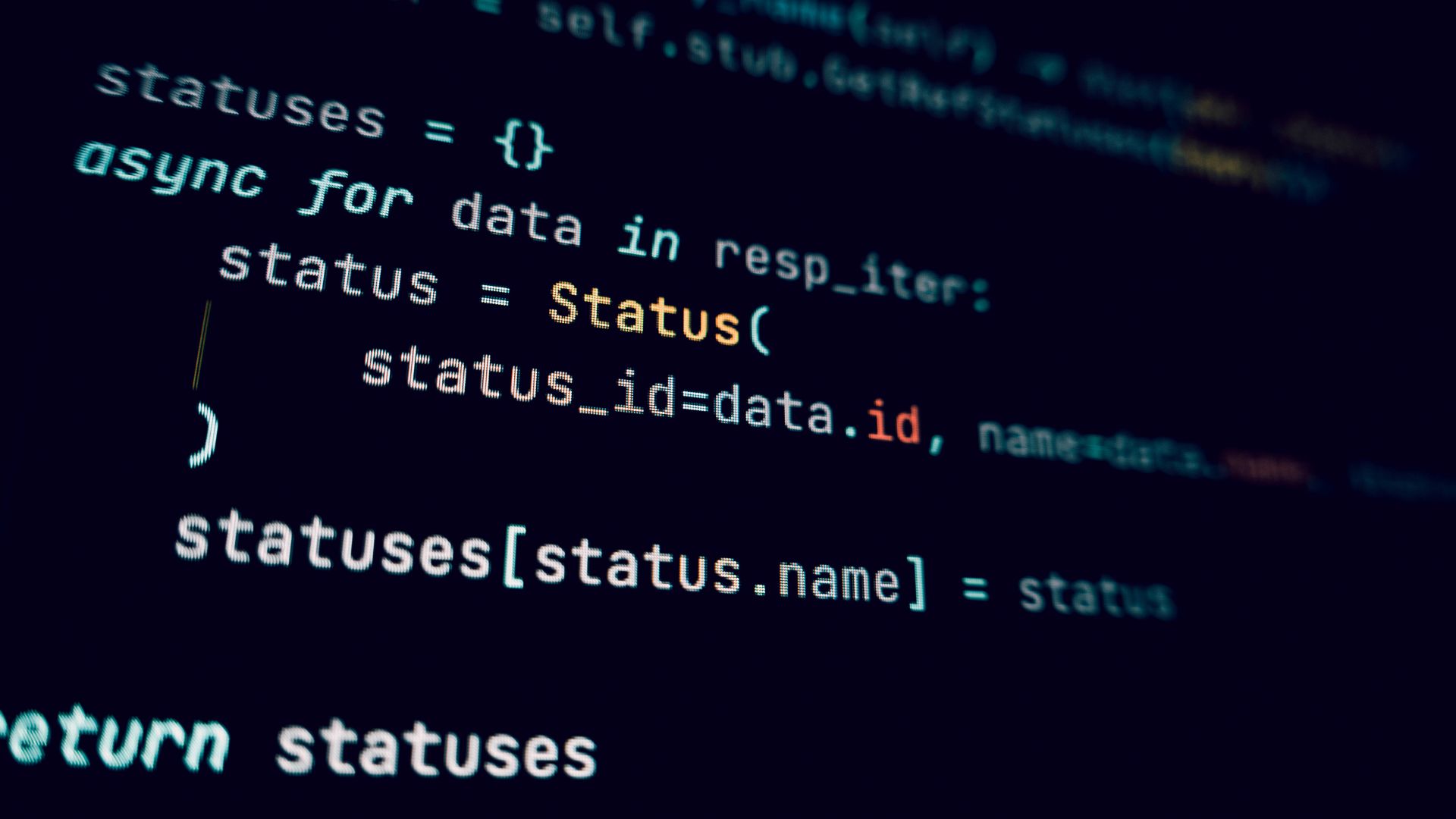
- Build and run automated tests using tools like Selenium, Cypress, or Appium.
- Conducts regression testing to ensure the new changes don’t break old features.
- Reporting bugs clearly in tools like Jira, with steps to reproduce, severity, and screenshots.
- Testing for security vulnerabilities, accessibility (e.g., WCAG compliance), performance underload, and cross-device compatibility.
Some major key skills, sharp attention to detail, analytical thinking, basic programming knowledge, and understanding of user psychology.
How QA testers are embedded in every app and website you use
The modern software development cycle follows the SDLC (Software Development Life Cycle), but often in Agile or DevOps environments. QA isn’t an afterthought anymore. Testing starts early in requirements and design phases.
Each app needs QA. One minor overlooked bug can totally destroy the user trust; studies show that more than 85% of users abandon the site when they feel a bad experience.
From your daily use of apps to complex enterprise platforms, QA testers ensure:
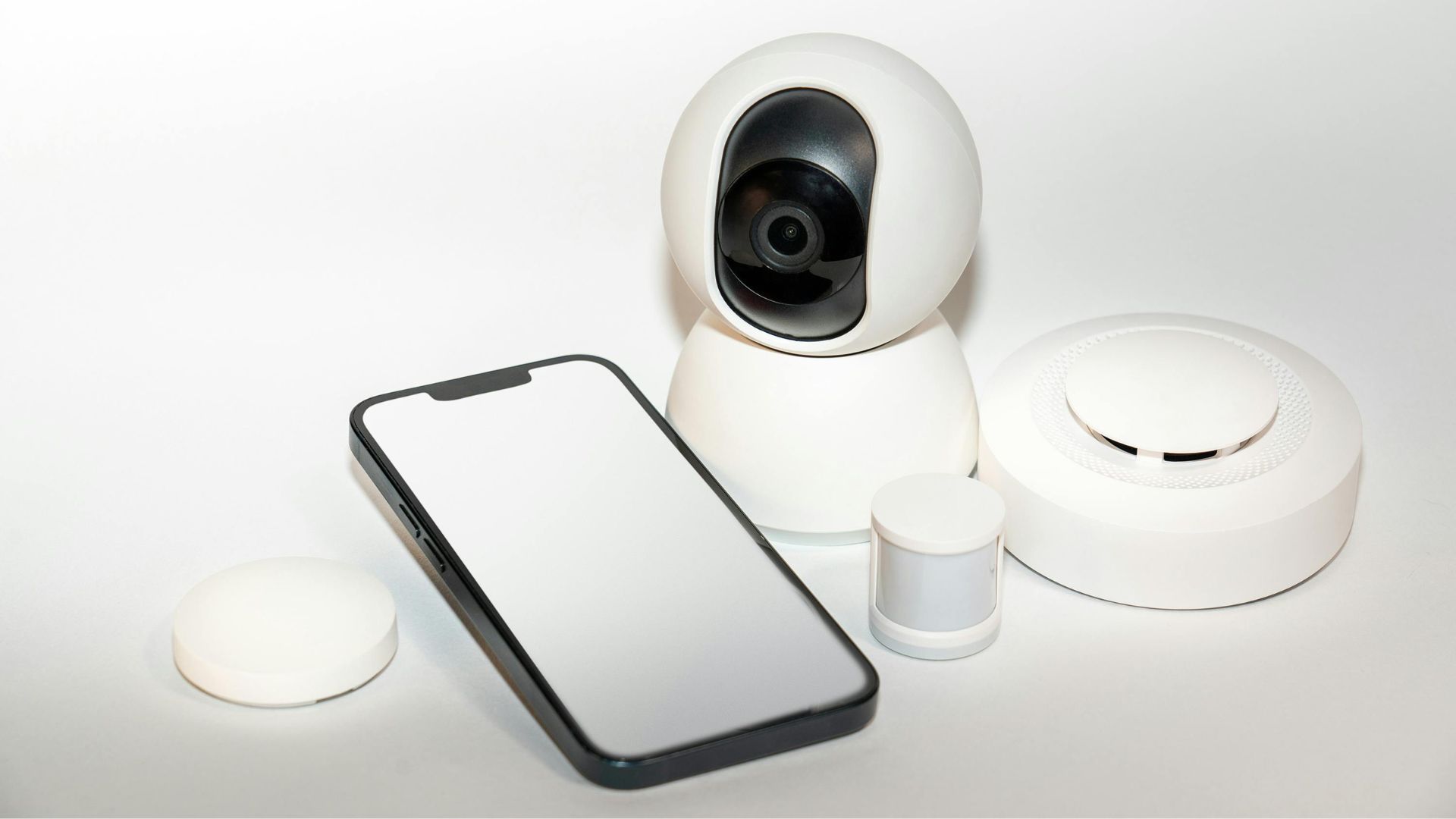
- Its features work on iOS, Android, web, and edge devices.
- The apps handle thousands of users simultaneously without crashing.
- The minor security threats do not expose your personal data.
Without them, the experience you take for granted simply wouldn’t exist.
Why does QA testing matter?
Poor software quality isn’t cheap. According to the CISQ (Consortium for Information & Software Quality), the cost of poor software quality in the US alone reached at least 2.41 trillion.
Which includes technical debt around ($1.52 trillion), lost productivity, security incidents, and the post-release fixes.
Think of the Rule of 100 not as a spreadsheet formula but as a "stress scale." In the world of tech, money is often just a proxy for human time, sleep, and sanity.
When we look at these massive failures, we usually see them as "corporate disasters" or "financial data points." But inside the offices where these happened, they weren't just numbers; they were moments of pure, cold-sweat-inducing human panic.
Here is what these legendary glitches felt like for the people standing in the room:
1. Knight Capital (2012): The Ghost in the Machine
The Legend: A $440 million loss in 45 minutes.
The Human Reality: Imagine arriving at the office on a sunny Wednesday morning, coffee in hand, ready for a standard day of trading. You look at your screen and realize that your company is "bleeding" money at a rate of $10 million per minute.
For 45 minutes, engineers and traders stood frozen, frantically trying to locate the "kill switch" for a rogue algorithm they didn't realize was active. It wasn't just a "software glitch"; it was the sound of a 20-year-old company’s heart stopping in real-time. By lunch, the firm was effectively bankrupt. It’s the ultimate nightmare of losing control to a machine you built but can no longer talk to.
2. Toyota: The Betrayal of “Safe Space"
The Legend: $1.2 billion in settlements for unintended acceleration.
The Human Reality: This isn't about "recalls"; it’s about the terrifying moment when a father or mother realizes the car carrying their children isn't listening to them anymore.
For the engineers at Toyota, the "cost" wasn't just the billion-dollar fine; it was the crushing weight of knowing that their code the lines they typed into a computer in a quiet office was physically present in a family's panic on a highway. It turned a vehicle, which is supposed to be a symbol of freedom and safety, into a source of helplessness. That is a heavy burden for any developer to carry home at night.
3. NASA Mariner 1 (1962): The Weight of a Single Keystroke
The Legend: A missing hyphen caused a rocket to self-destruct.
The Human Reality: We have all sent an email with a typo. Usually, the "cost" is a bit of embarrassment. But for the programmer of Mariner 1, that "typo" (a missing overbar/hyphen in the guidance logic) which resulted in years of collective human effort thousands of hours of math, sweat, and dreams turning into a $18.5 million firework over the Atlantic Ocean just 293 seconds after launch.
Imagine being the person who realized it was your finger that missed that one key. The silence in the control room wasn't just about the money; it was the heartbreak of a "perfect" mission being brought down by the most relatable, tiny human mistake imaginable.
Why the QA Tester Job Still Matters in the AI Era
AI is helping with QA transformation, which is a good thing. Almost each and every team uses AI for generating test cases, creating synthetic data, and self-healing scripts.
Think of AI as a high-tech metal detector: it’s brilliant at finding the nails you dropped, but it has no clue if the house you're building is a place someone would want to live in. While a bot can confirm a "Submit" button technically works in 0.02 seconds, it can’t tell you that the button is annoyingly small or that the popup is frustrating enough to make a user want to toss their phone across the room. AI handles the "Did it break?" math, but humans provide the "Does it suck?" intuition.
In an era of automated logic, the QA tester is the soul in the machine, the one who ensures technology serves people, not just protocols. Although there are several challenges QA teams face in today’s context:
- The tight deadlines and the pressures to “just ship it”.
- There may be repetitive work (mitigated by automation).
- It's to blame when the bugs slip through despite the incomplete requirements.
Despite this, the job is evolving into high-value roles like quality engineer or software development engineer in test (SDET). The demand remains strong as software complexity explodes.
QA testers are one of the invisible reasons that digital worlds can operate smoothly. They help big companies to save trillions in potential losses and protect the user from frustration and risks, enabling innovation to move fast without breaking things.
In 2026 and beyond, their job isn’t disappearing, it is becoming more strategic, more technical and essential. The next time you enjoy a bug free experience, silently thank the QA team behind it.