The two are running machines. They are both electrically powered. But they are very different in their work. The difference will assist you in choosing the appropriate motor to use.
The working of each motor.
AC Motor
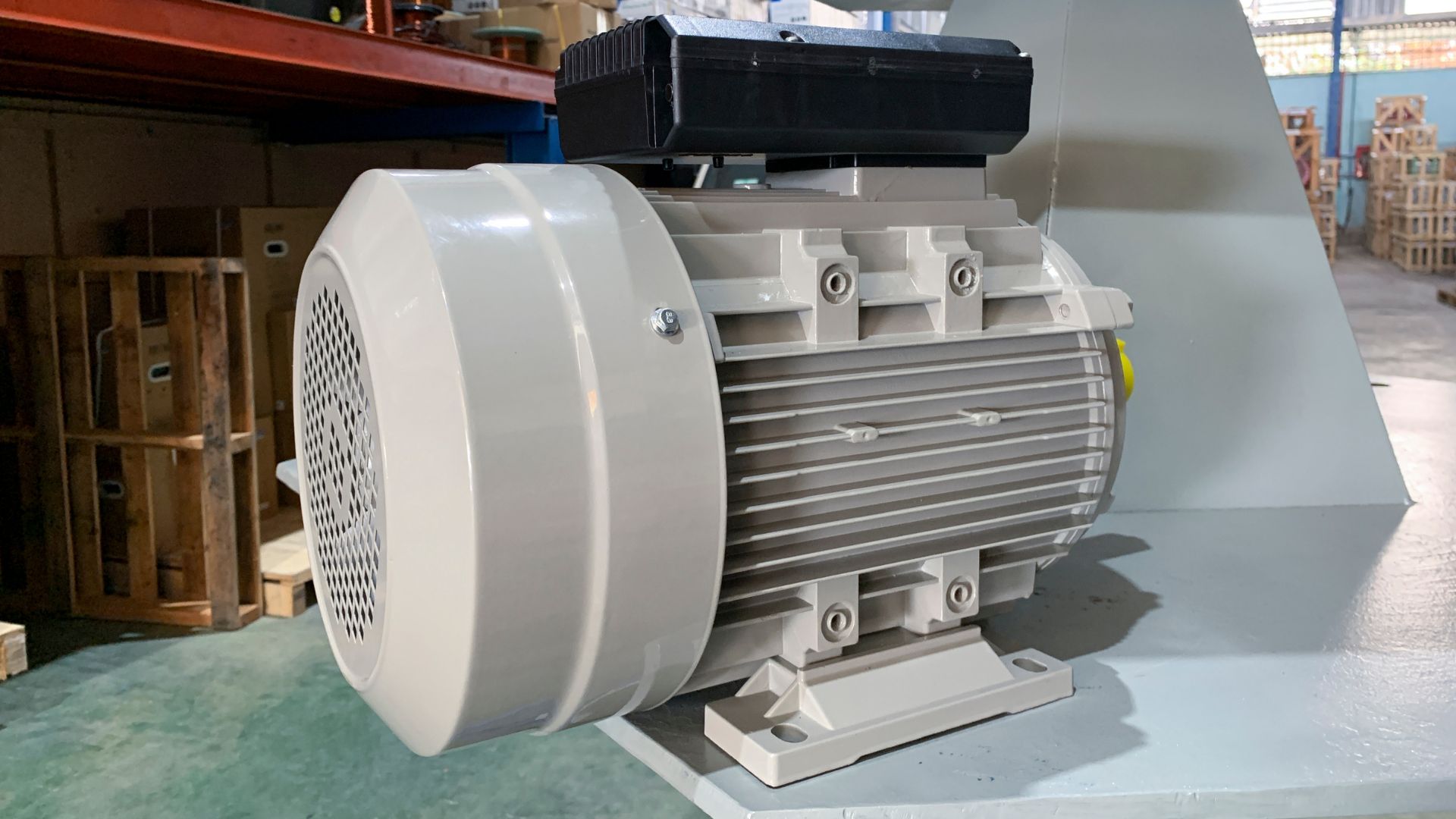
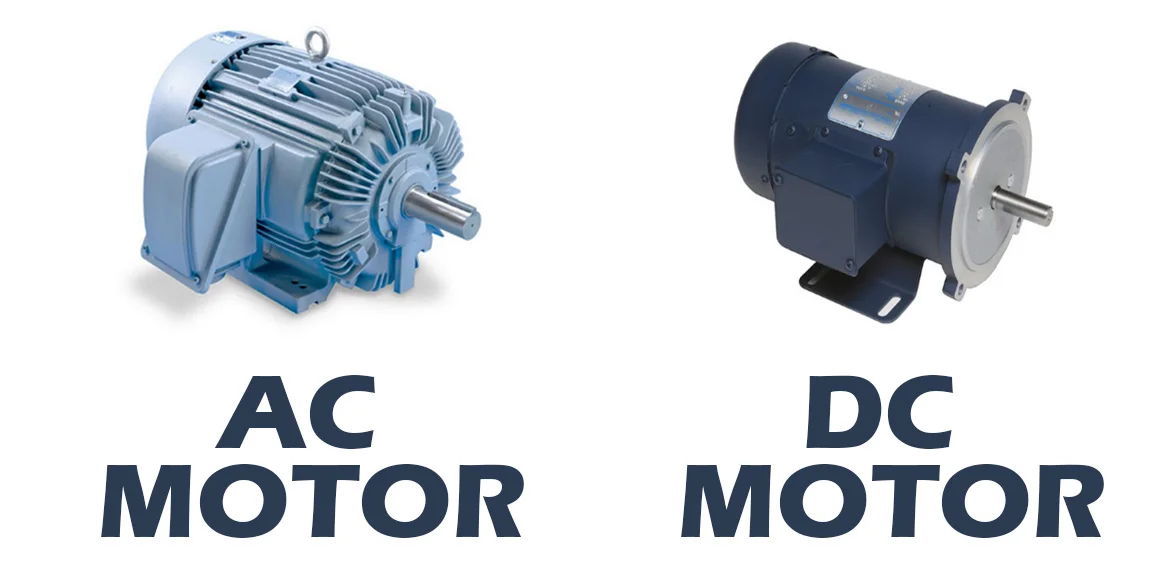
An AC motor is operated on an alternating current. The current flows back and forth. This forms a rotating magnetic field within the stator. That field is succeeded by the rotor, which spins.
The majority of AC motors do not have brushes. They are coarse and hard. They are utilized in all places, such as fans, conveyor belts, and water pumps.
DC Motor
A DC motor operates using direct current. The flow of current is in a single direction. A part known as the commutator and brushes supply the rotor coils with current. That generates the magnetic force to spin the shaft.
DC motors provide greater control of speed and torque. That is why they can be used in tools, robots, and cars.
Full Comparison: AC Motor vs. DC Motor.
| Characteristic |
AC Motor |
DC Motor |
|
Power source |
Alternating current |
Direct current |
|
Speed control |
Requires a VFD drive |
Simple, regulate voltage |
|
Low speed torque |
Lower |
High |
|
Maintenance |
Less (no brushes) |
More (worn out brushes) |
|
Initial torque |
Medium |
Very high |
|
Full load efficiency |
High |
High |
|
Cost |
Lower |
Higher |
|
Power size |
Large |
Small |
|
Noise level |
Low |
Slightly higher |
|
Lifespan |
Long |
Shorter (brush wear) |
Ordinary applications: HVAC, pumps, conveyors, EVs, robots, and power tools.
Speed Control
DC motors win here. You just adjust the voltage/current, and the speed varies. It is straightforward and easy.
AC motors need a variable frequency drive (VFD) to control speed. A VFD varies the frequency of the AC supply. It works well but adds cost and complexity.
Maintenance
AC induction motors virtually have nothing to wear. No brushes. No commutator. Check overheating and just clean bearings.
Carbon brushes are used in DC motors. The commutator is pressed by the brushes and wears off with time. You have to clean and change them. Otherwise, the motor stops.
AC motors would be more suitable in locations that are difficult to access or seldom serviced. Minimal maintenance translates to minimal downtime.
Torque
DC motors produce high torque right from zero speed. This is why they are used by electric vehicles. The instant you step on the pedal, you are in full pulling power.
The torque of AC motors increases with speed. They are more suited to consistent loads that do not require heavy starting torque.
Where Each Motor Is Used
Common in AC motors are the following:
• Air conditioners and heating/ventilation systems.
• Industrial fans and pumps.
• Wash and refridgerate.
• Compressors and conveyor belts.
DC Motors Are Widespread in the Following:
• Electric bicycles and cars.
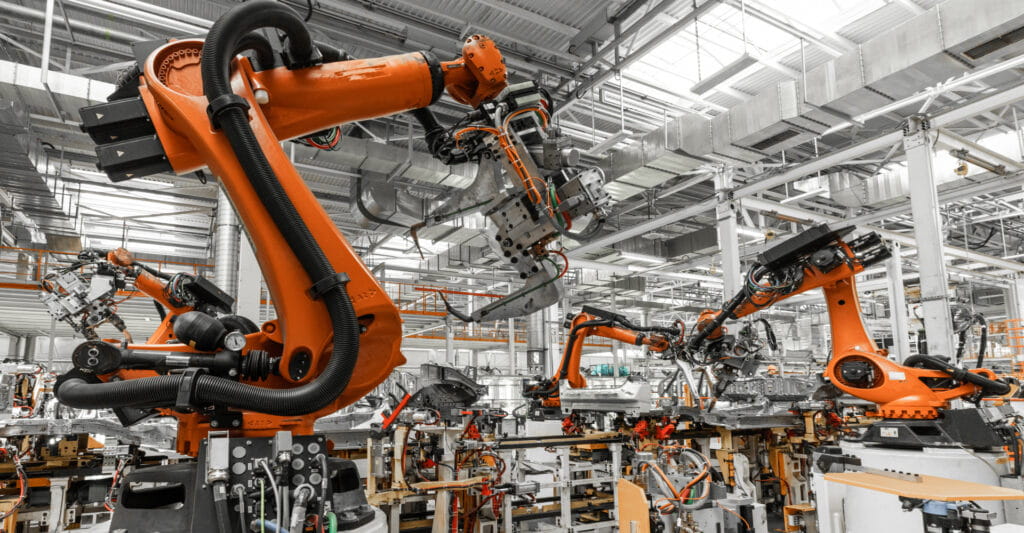
• Robotic machines and CNC machines.
• Power tools and tools with cords.
• Elevators and cranes
What Motor to Select?
Select an AC motor where you require simple, low-cost, low-maintenance operation. It is applicable to constant speed loads that are fed off of the main grid.
Choose a DC motor when you want to have exact control of speed, high starting torque, or battery power. It is applicable in variable load applications.
They are not superior in general. Both are suitable to different needs.
When you have a machine that works at a single speed throughout the day, an AC motor is economical. When speed is hard to predict or the torque should be high at startup, then go DC.
Can AC and DC motors be rewound?
Yes. Both types can be rewound. The same is done with the stator coils. DC motor rewinding also involves armature winding, which is more complex.
Both are dealt with by a qualified motor shop. Always check the motor after rewinding to check whether it is up to the original specifications.