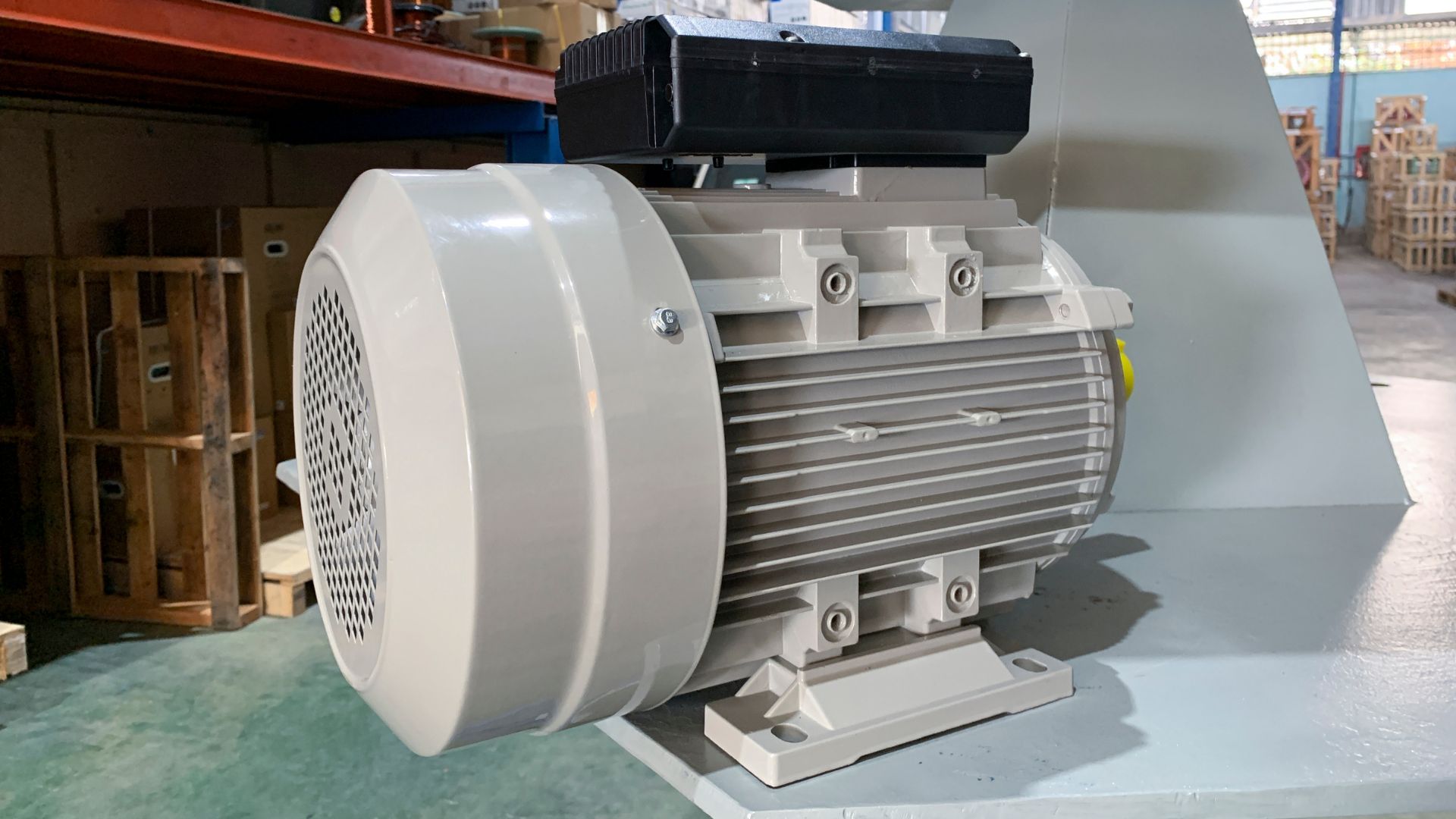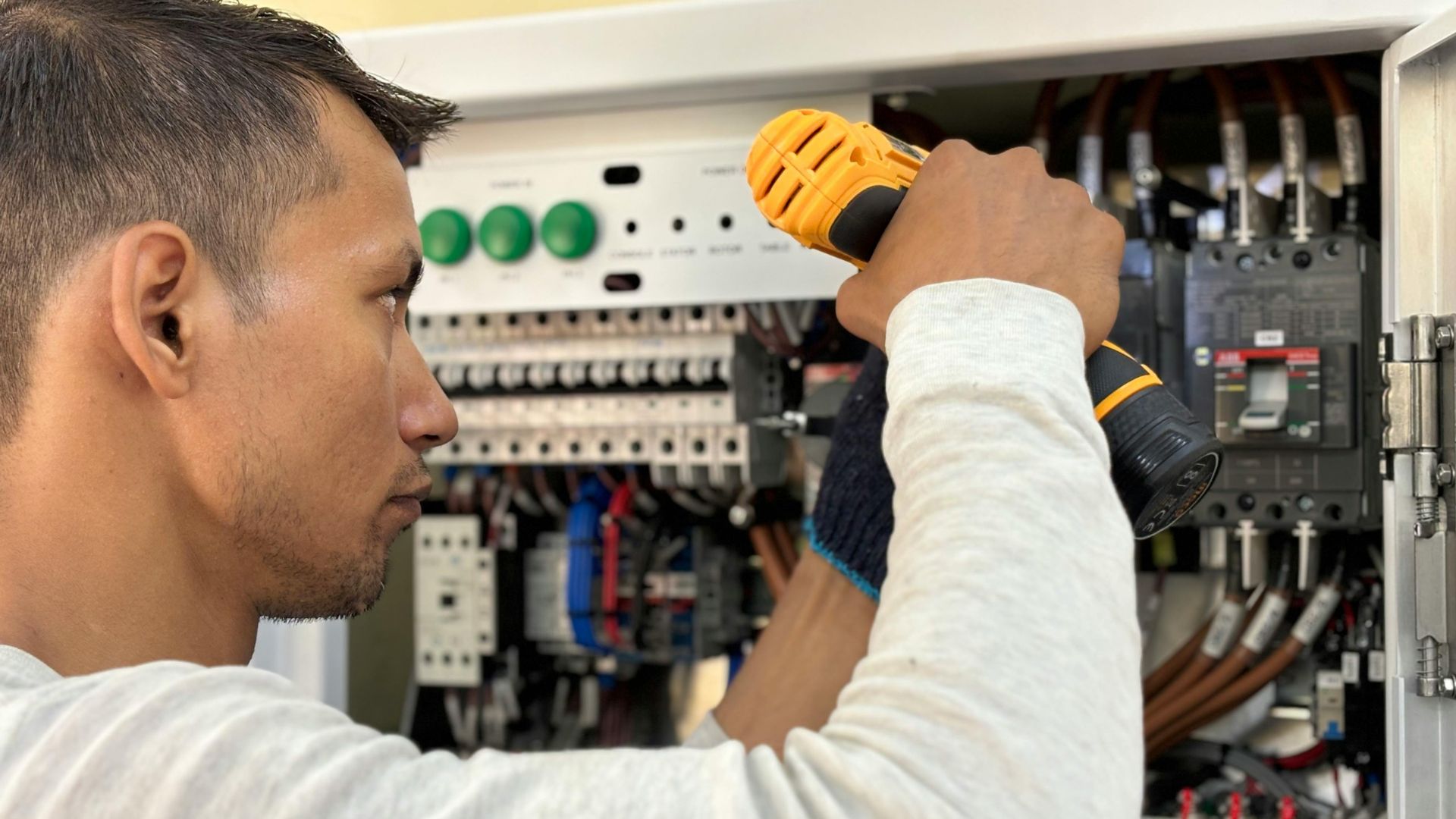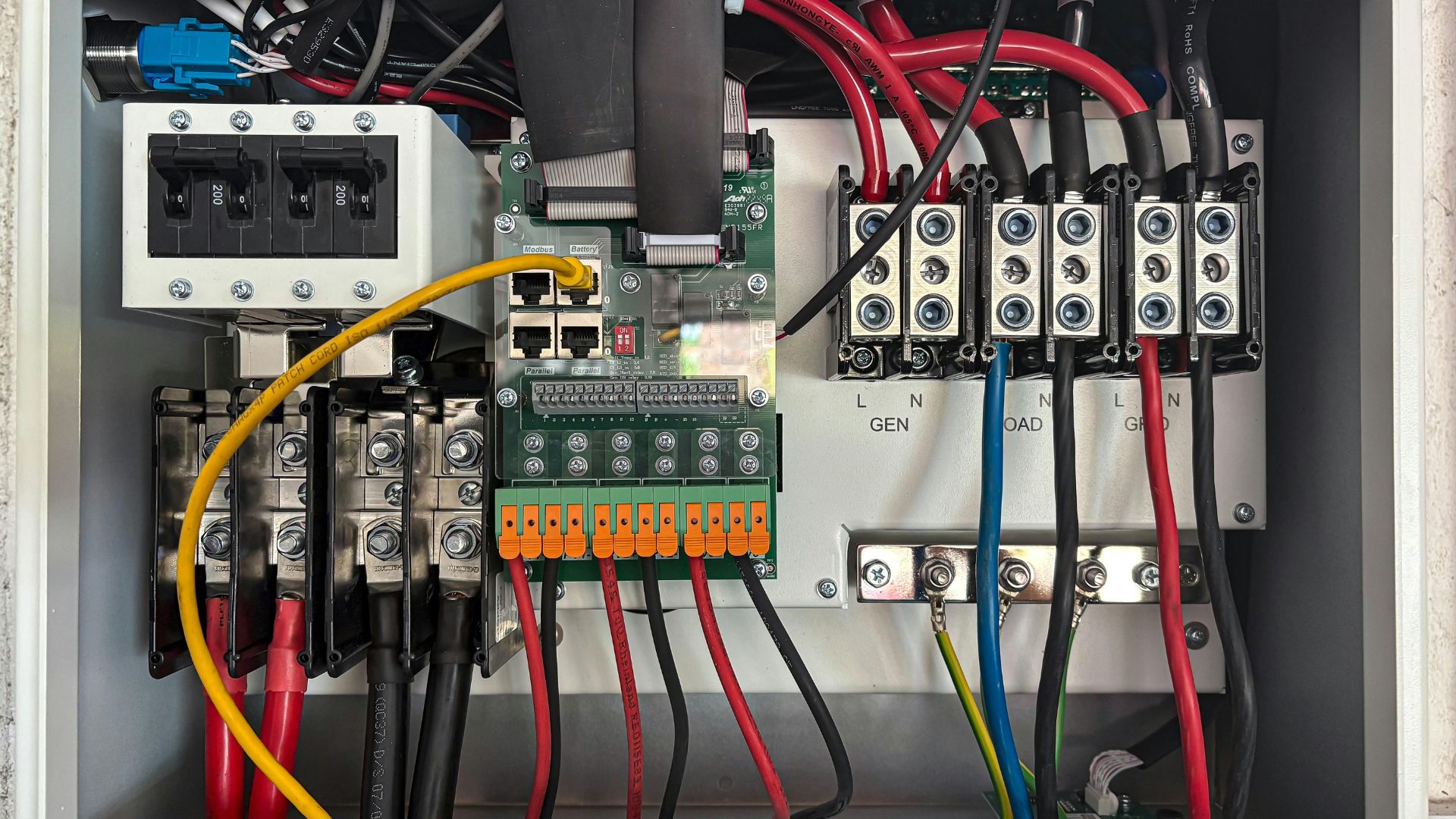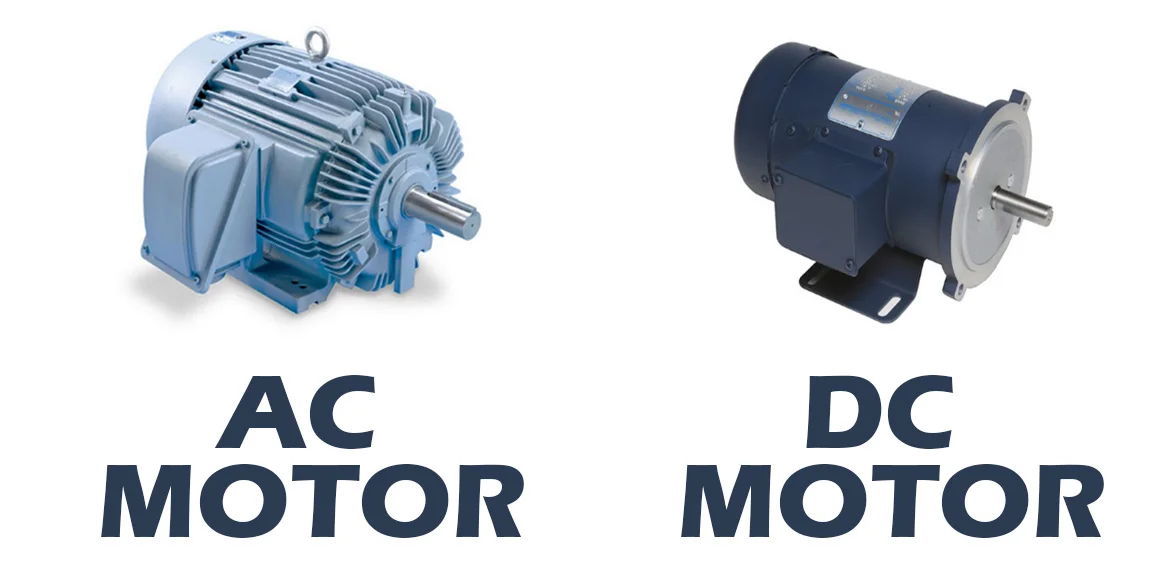
Your motor stopped working. Before you throw it out, you might be able to fix it. Repairs in the electrical work that are most common and least expensive are motor rewinding.
What Is Motor Rewinding?
Motor rewinding refers to the replacement of the wire coils that are found in an electric motor. These coils are electrically charged and generate the magnetic field that causes the motor to rotate.
In the long run, the wire insulation deteriorates. The coils become short-circuited or burn out. When it occurs, the motor goes off or becomes powerless.
Rewinding fixes that. You remove the old wire and put in new wire.
The burnt smell is a good indicator as to why motors require rewinding. Never restart the motor until it has been inspected. Much running will ruin the core.
Tools You Need
Rewinding requires the appropriate equipment. The following is what a technician has:
• Coil winding machine
• Insulation paper and slot liners
• Enameled wire (of correct gauge) of copper.
• Ohmmeter and megger tester
• Curing varnish in an oven.
• Wire stripper and mallet.
The Working of Motor Rewinding: Step by Step.
Record everything: Prior to the removal, take the count of coils, gauge of wire, record the winding pattern, and take photos.
Take out the old winding: Heat the stator in an oven in order to soften the varnish. Then take out the old wire with caution. Clean the slots.
Check the core: Check the laminations of steel against damage. A core is damaged; a good winding cannot be held.
Line the slots: Place new insulation paper into the slots. This shields the new wire with the metal core.
Wind new coils: Wind using a winding machine. Check the number of turns and wire gauge of your records. Alternation of the wrong wire modifies the motor rating.
Connect the leads: Connect the ends of the coils with the terminal leads. Use as per the original wiring diagram. The wrong connections make failure.
Apply varnish: Apply insulation varnish to the stator, either by dipping or vacuum. This holds the wind together and safeguards it.
Bake and test: Cure in an oven. Then test insulation with a megger. Test load on the motor.
Proper records preceding disassembly save man-hours of labor. In case you lose the original specs, there is a likelihood that you will need to reverse engineer the entire motor.
Motors break down due to several reasons. The largest cause is heat. The wire coating will melt when a motor is overheated. That will result in a short circuit.
The other causes are moisture, voltage spikes, overloading, and worn-out bearings. Each puts stress on the wind. The wire breaks down at a certain time.
Indications that your motor is to be rewound.
Keep an eye on the following warning signs:
• The motor works hard, not so hard.
• You smell burning or see scorch marks.
• The motor will hum and not rotate.
• Power consumption is high and power output is low.
• Motor throws the switch frequently.
• Burn marks on the coils that are visible.
Rewind or Replace?
Not all motors that fail are worthwhile rewinding. Apply this easy formula:
When the rewind price exceeds 60-70 percent of a new motor cost, purchase a new one. Rewinding is logical in case there is a large or old motor or when the motor is hard to obtain.
Motor less than 5 HP and inexpensive to change: Replace
The motor has more than 50 HP rewind: Rewind
The core of the motor is ruined: Replace
The motor is a tailor-made spec or scarce rewind. Rewind
The motor is out of commission over 2 times: Replace
What Does it Cost to Rewind a Motor?
The price is based on the motor size, type, and local labor rates. Small motors (under 10 HP) can cost NPR 2000 to 8000 to rewind. Big motors in the industry may cost up to NPR 50000 or more.
Always ensure that you are quoting the work. A superb store will test the motor prior to and after rewind.