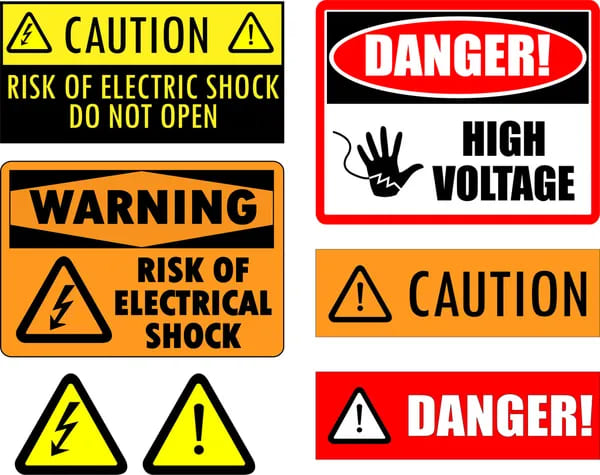
Electricity is unforgiving. Any error with live electricity can result in severe burns, heart attack, or death. Electrical accidents don't just happen. They occur when someone makes a mistake or works too fast.
All technicians, new and skilled, must have safe work habits. It's not enough to know them. You have to apply them all the time, on all jobs, and do it right.
This article explains the basic safety rules to keep technicians safe.
Rules for Electrical Safety
Electricity does not slow down. It forgives no mistakes.
A slip on a live wire can burn, electrocute, or kill you. Most people are electrocuted because they know better but are too quick.
Consider All Wires to be Energised
This rule has saved a lot of lives.
Wires can be "live" even with the breaker switched off. Do not trust looks. Test to be sure. Do it every time.
Lock Out and Tag Out the Panel
Turn off the power supply. And lock the panel so it can't be turned on.
Put a label on the panel that you are working on in the line. It is possible other people will not see you. This tag will warn them.
This process takes two minutes. Not doing it has killed people.
Wear the Right Gear for the Job
You can't work without rubber gloves rated for the appropriate voltage. Nor are safety glasses or rubber boots.
Make sure the gloves you're using have the right rating. You don't want to be wearing a 500-volt-rated glove when working on a 5,000-volt line. Know the difference.
Make Sure One Hand is Out of the Circuit
Keep one hand away (behind your back, in your pocket, etc.)
Current flowing between the hands goes through your chest. This can cause your heart to stop. Contact with one hand reduces the risk.
Never Work in a Wet Area
Water decreases your electrical resistance. It increases your risk of shock.
Don't touch switches or tools until your hands are dry. If it's wet, stop. Dry it out and find out why before continuing.
Check Your Tools Before You Start
Examine all cords and handles before using. If it is cracked, bare, or burnt, it's time to say good-bye.
Damaged cords can't predict when they'll shock you. Take it out of service and notify the owner. It's not worth it to complete a job quickly with broken tools.
Study the Circuit Before You Work
Read the wiring diagram. Know what the wires are for.
Don't guess; you can get hurt. If you can not locate the diagram, seek it out. It's better to spend a few minutes reading than a few hours in the hospital.
Never Work Alone with High Voltage
Make sure another person is around when the voltage is on.
In case of trouble, there should be someone to switch it off and call for assistance. Also, there is no one to spot your mistakes. It's an easy risk to avoid.
Keep Within the Rating of All Tools and Wires
All equipment has a rating. You can read it on the side.
Once you go beyond this limit, it doesn't always fail immediately. It may cause heat to build up until something catches fire or arcs. By that time, it is too late.
Know the Location of the Main Switch
Tour the area. Know where the main is. And know how to get there quickly.
Time can be a lifesaver. Knowing where the switch is is an example of the type of preparation that can take a minute and save a lot of time.
Read Up on First Aid for Electrical Injuries
Electrical burns are small on the outside. But the damage may be extensive down the path of the current.
If a person is electrocuted, call an ambulance. If they are still touching the source, don't touch them. Learn CPR. Have a first aid kit easily accessible.
One Last Thing
Electrical accidents don't usually happen by accident. They are either the result of someone rushing or not taking all of the steps.
Work in the same way each time. Even when it's not against the rules. Doing it by habit is what will stop you getting hurt.