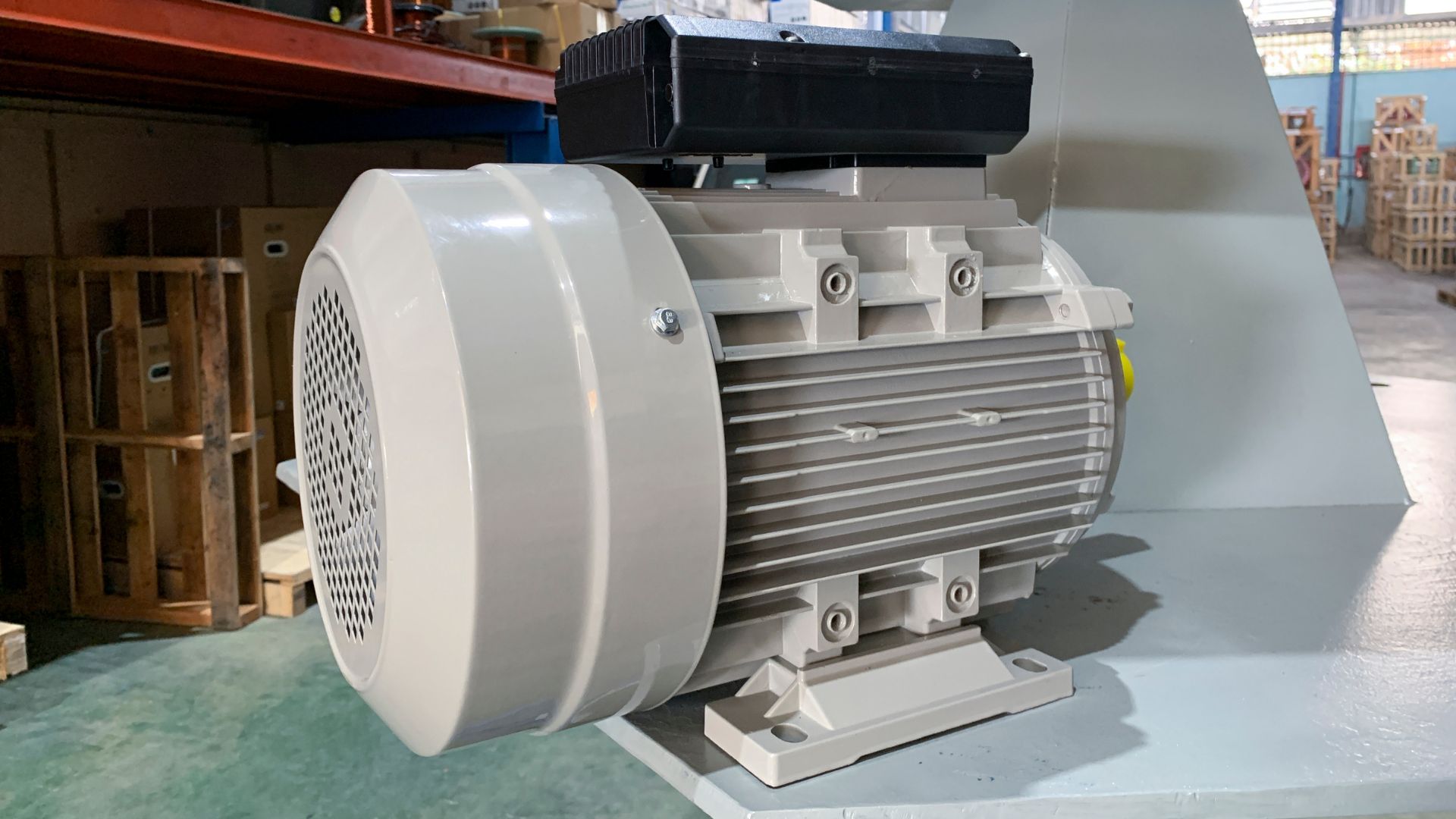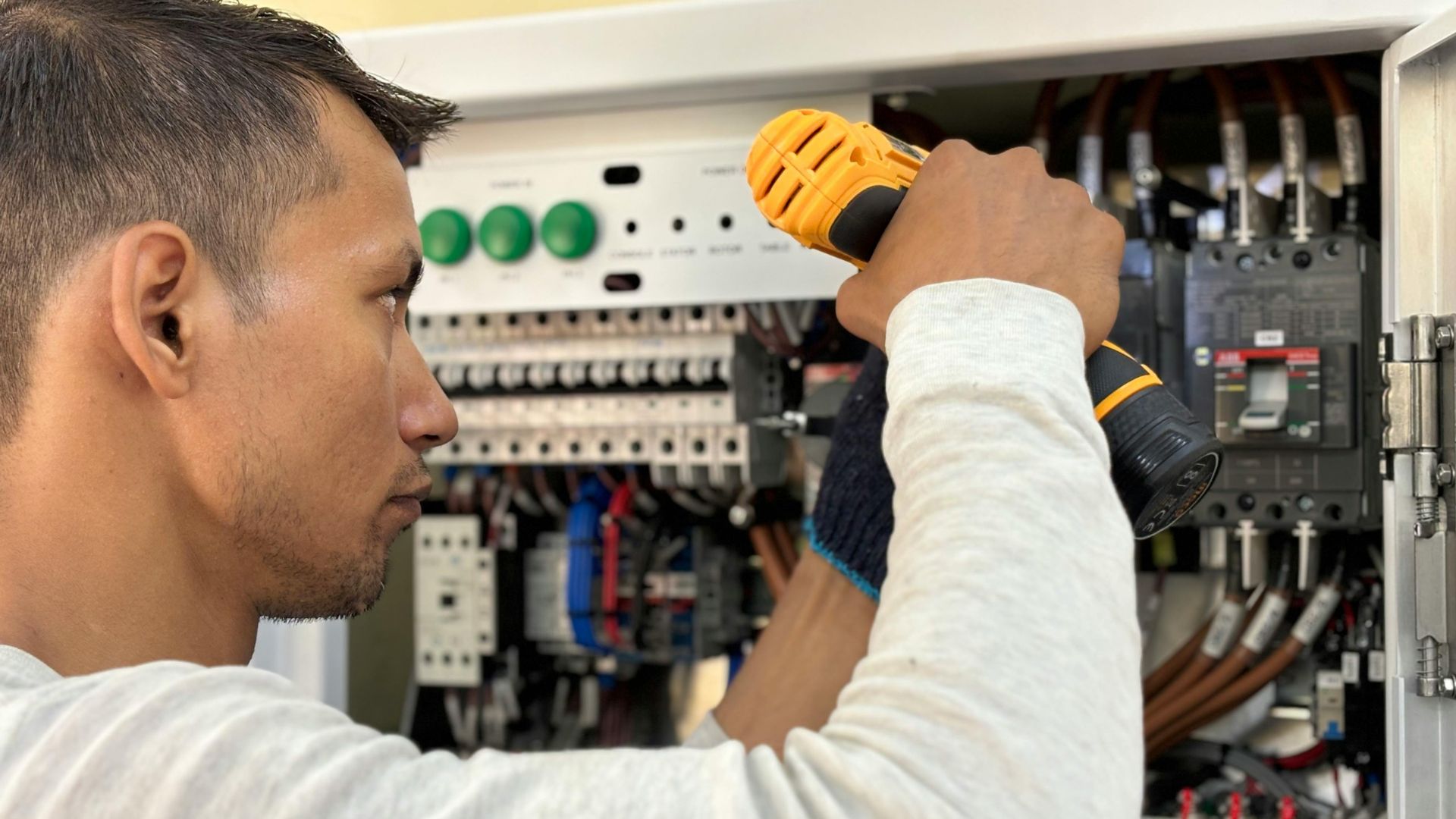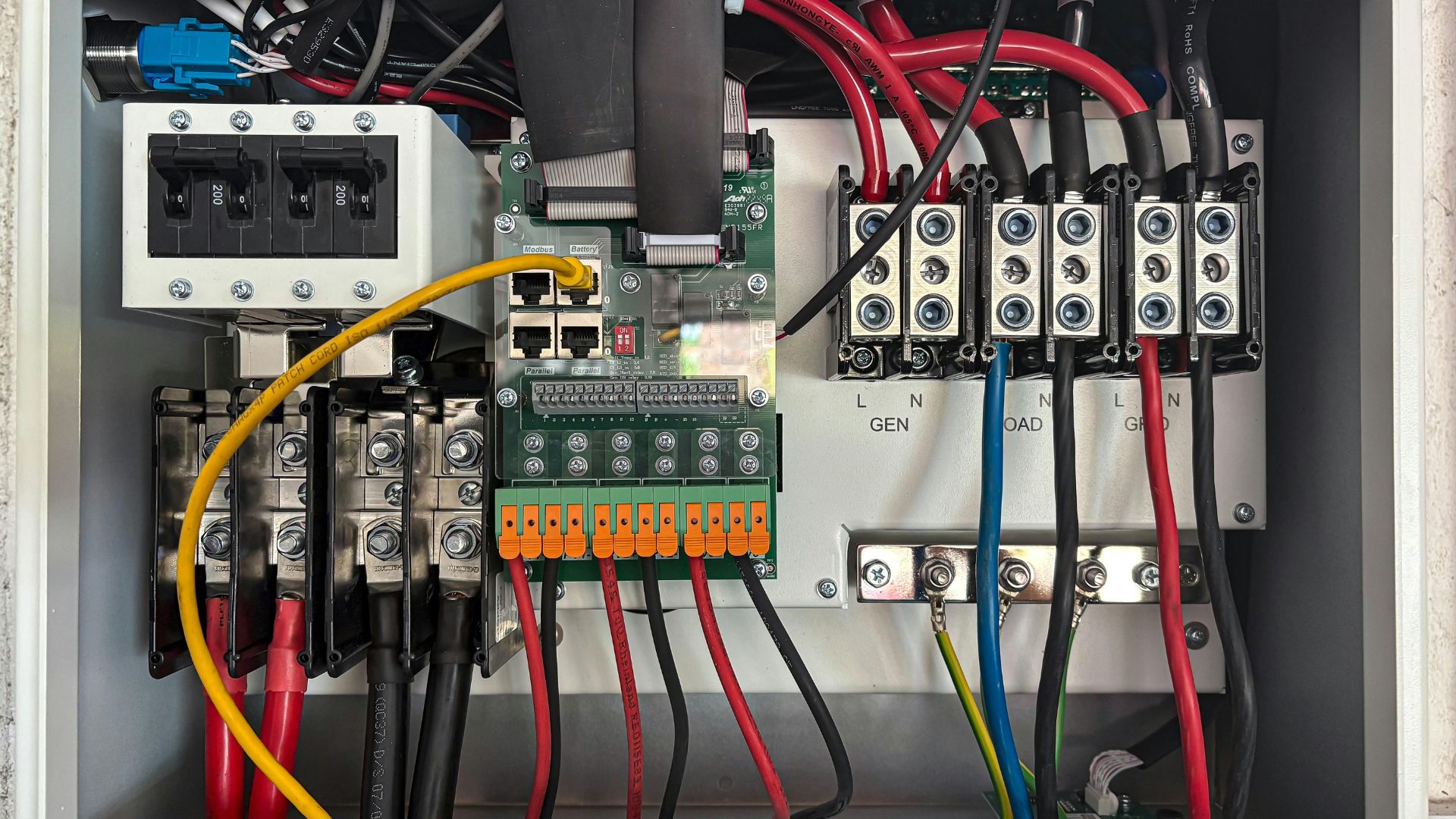
Automation technicians maintain automated equipment safely and efficiently. They inspect programmable logic controllers (PLCs), sensors, variable frequency drives (VFDs), and control panels daily. Troubleshoots machine faults, conducts preventive maintenance, and tests machine operations. They also might be required to make minor adjustments as well as document their activities for the next shift.
If you're a beginner in the world of technical jobs, it can be beneficial to know what is involved in the day-to-day duties of an automation technician to determine if this is your passion or not. It is a combination of the knowledge of electricity and practical problem solving and industrial technology.
In case you are interested in developing these skills, Industrial Wiring & Automation Training in Nepal is an effective way to get a glimpse of the practical training opportunities available.
In this guide, you will get to know the duties of an automation technician, essential tools, skills required to become an automation technician in Nepal, and the way to get into this career.
What Is an Automation Technician?
The automation technician is a technical employee responsible for the installation, testing, maintenance, and troubleshooting of the automated equipment. They are systems that involve electrical parts, sensors, controllers, and software to control machines with minimal human intervention.
For instance, an automatic conveyor can be employed for transportation of goods from one process to another in a factory. Product position is detected by sensors, and motors are controlled by signals from a PLC. The automation technician is responsible for ensuring the proper communication and functionality of these components.
This is not just a role where you have to do electrical installations; the role also requires that you understand how machines react to control signals and programmed instructions.
Common responsibilities include:
- Checking electrical control panels and industrial equipment.
- Reviewing PLC input and output and simple program logic.
- Testing of sensors, switches, relays, and actuators.
- Problem-solving motor control and VFDs.
- Carrying out routine maintenance for automated equipment.
- Assisting in the installation and commissioning of support equipment.
- Logging faults, repairs, and maintenance.
- Working safely when conducting tests and repairs at work.
The nature of the automation technician roles varies from employer to employer and industry to industry and equipment type to type. Some technicians work primarily for maintenance; others help engineers with installation, testing, and control system enhancements.
The Growing Scope of Industrial Automation in Nepal
The industrial automation market is gaining traction as industries use modern control systems to enhance their productivity and safety levels and make their operations more efficient. This transition is opening the door for technicians who can apply hands-on skills with PLCs, sensors, motor controls, and problem-solving. To have a better idea of the industry scenario, read our blog about "Industrial Automation in Nepal: A Rise in Skilled Professionals."
A Typical Day for an Automation Technician
Production schedules, maintenance plans, and equipment problems dictate an automation technician's daily activities. A typical shift, however, involves some safety checks, troubleshooting, maintenance, testing, and documentation.
1. Start of Shift: Safety checks & handover
Typically, a handover from the previous shift or a recap of any outstanding maintenance work is done in the morning. Technicians should be aware of which machines are having issues and if there are any machines that require further repairs.
They can check maintenance records, production logs, and fault logs prior to equipment inspection.
These are typical things that happen in the morning:
- Inspecting the condition of electric control panels.
- Checking machine alarms and fault indicators.
- Checking cables, connectors, and obvious damage to components.
- Ensuring safety guards and emergency stops have been operating.
- Consulting with operators about the frequent machine problems.
- Identifying equipment that needs immediate attention.
Safety is key at all points of the job. Technicians should perform approved isolation procedures, such as lockout/tagout as needed, prior to the inspection or repair of equipment. They should never open or operate energized equipment unless an authorized procedure allows them to do so.
These are the checks to see if there are any potential issues that could affect production or safety.
2. Mid-Morning Finding and Fixing Faults
One of the most crucial automation technician tasks is troubleshooting. The machine stops unexpectedly; the technician investigates why instead of just turning the machine back on.
Now, think of a conveyor that stops moving as its motor is still powered. This problem may be due to a sensor, a control signal, a VFD fault, an electrical connection, or a mechanical obstruction.
The technician will use a logical approach to troubleshooting:
- Discuss with the machine operator and read the fault message.
- Inspect observed equipment condition and equipment condition points.
- Check sensor conditions; check PLC I/O signals.
- Apply suitable apparatus and methods for testing electrical signals.
- Determine the possible fault and request repair.
- Test the machine and ensure that it is safe for use.
Common issues in PLC troubleshooting include determining if input to the controller is correct and if output from the controller is correct. Changes to programs should be authorized and backed up, and technicians can inspect the ladder logic.
Another frequent source of faults is sensors. A machine might not recognize an object if the sensor is dirty, misaligned, damaged, or not properly connected to the machine.
Such VFD issues can also hinder production. A technician might have to interpret a drive's fault code, check the settings of the drive, or test the motor and its connections.
Students who are new to electronics may find that troubleshooting is a skill that could be helpful in their technical maintenance careers.
3. Midday: carry out Preventive Maintenance
Preventive maintenance includes scheduled inspections and checks to minimize the likelihood of unexpected equipment failures. Rather than wait for a machine to fail, technicians check for signs of wear, damage, or improper use before it fails.
The maintenance schedule is based on the machine, the manufacturer's recommendations, workplace requirements, and equipment history.
Common tasks include:
- Checking the damage and overheating of parts of the control panel.
- Inspection of cables and electrical connections in accordance with accepted practices.
- Following manufacturer's guidelines for cleaning equipment.
- Checking sensors, switches, and actuators.
- Inspecting fault histories of the motor and VFD.
- Inspecting cooling fans, filters, and vents.
- Reporting when parts are worn or damaged for replacement.
Technicians can also check for recurring faults and find equipment that requires further investigation.
For instance, a motor that keeps tripping could be a problem with the electrical circuit, mechanical components, or load of the motor. Resetting the trip without determining the cause of the trip may cause the trip to happen again.
Preventive maintenance can help ensure equipment reliability and minimize unnecessary downtime. But keeping the correct isolation, testing, and repair procedures throughout the process is important for the technicians.
4. Afternoon: Making Control Changes and Testing Equipment
Once maintenance work is done, technicians can help with testing, adjustments, or minor control improvements.
They may include activities such as PLCs, human-machine interfaces (HMIs), VFDs, sensors, and actuators. Working with an automation engineer/supervisor may occur when changes impact machine sequences or safety functions.
For instance, the production line could require a sensor to be adjusted to be more effective in detecting products. Technicians can examine its installation, signal, and test the machine under suitable operating conditions.
There can be other activities in the afternoon, such as:
- Checking the input and output signals of PLC.
- Testing start/stop sequences on motors.
- Scanning HMI alarms/Operator messages.
- Ensuring that a VFD is in an approved setting.
- Replacement component testing equipment.
- Support commissioning of new equipment.
- Documentation of changes and reporting unusual findings.
One of the most frequently used graphic programming languages for PLCs is known as ladder logic. Technicians who have knowledge of its basic structure will be able to investigate control problems and assist with authorized changes to programs.
An HMI gives a means for operators to monitor and control machines. SCADA systems are used to help supervise and control equipment or processes. Technicians can inspect alarms, status indicators, and system readings using these interfaces, depending on the workplace.
All changes to controls shall be in accordance with the approval and safety of the site. Equipment should be put to the test prior to returning to normal production.
5. End of the day: Documentation and handover
The final task of the day is to note any issues that are not resolved and to record any work completed.
This information will be useful for the next shift to know what is happening with the equipment. They can also assist maintenance teams in spotting recurring faults and making future repairs.
An automation technician can record:
- The original fault or maintenance request.
- Checks and tests carried out.
- If the problem has been identified, the cause of the problem.
- Items repaired/replaced.
- Changes made according to approved procedures.
- The outcome of the tests and the condition of the machine at the end of the test.
- Excellent effort and suggested further tasks.
If it were concluded that the sensor was replaced but the fault still happens from time to time, for instance, the technician should document the fault and not report the machine as completely fixed.
Documentation helps to better communicate between technicians, operators, engineers, and supervisors. It also builds a handy history to help in future troubleshooting.
The tools and equipment used by an automation technician
Electrical instruments, control devices, and diagnostic software are used by automation technicians. The tools needed vary with the equipment for which they are responsible and their level of responsibility.
Here is the information in a clean tabulated format:
| Tool / Component | Main Purpose |
|---|---|
| PLC | Programs logic for controls of machine operations. |
| VFD | Regulates motor speed and other operating parameters. |
| HMI | Displays machine status, alarms and operator controls. |
| SCADA | Helps to supervise and control industrial processes. |
| Sensors | Identify objects, positions, temperatures, pressure or other conditions. |
| Actuators | Generate physical motion or action in response to control signals. |
| Multimeter | Measures electrical properties like voltage, resistance and continuity. |
| Clamp meter | Uses a suitable measurement procedure to measure current (typically without breaking the circuit). |
| Control panel | Houses controllers, contactors, relays, protective devices and terminals. |
| Programming software | Enables authorized users to monitor, diagnose and program the controller. |
Wiring diagrams, electrical schematics, manufacturer manuals, and electronics maintenance software are other tools technicians might employ.
It's not so much the names of the tools that is more important than understanding how they work. For instance, if you understand what a PLC input status or a VFD fault code means, then you can limit the scope of the machine failure diagnosis.
Beginners are introduced to practical workshop components and to safe working habits through practical workshop experience. The Apex Skills Academy workshop gallery offers more information about Apex's hands-on training facility.
Skills required to be an Automation Technician.
An automation technician requires a mix of electrical expertise, technical knowledge, troubleshooting and communication skills. Do not have to learn all the advanced automation systems before starting to learn.
Technical Skills
The key skills of Automation Technician:
Electrical principles: Voltmeter, Ammeter, Ohm's law, circuits and electrical safety.
Knowledge of the control panel: Identification of relays, contactors, circuit protection, terminals and wiring layout.
PLC Basic: Understanding of inputs, outputs, logic and of basic ladder PLC diagrams.
Motor Control: Learning Motor Starters, Contactors, Overload Protection, and Motor Control Circuits.
VFD fundamentals: Understand the basics of VFD operation and how to troubleshoot common VFD problems.
Sensor knowledge: Understanding the different types of sensors and their signals.
Troubleshooting: Using evidence and measurements to identify the cause of equipment problems
Technical documentation: Reading wiring diagrams, manuals and maintenance records.
The skills are built up over time via theory, guided practice and supervised experiences. Some topics may be easier for learners who have a basic knowledge of electrical work.
Soft Skills
It is not sufficient to have just technical knowledge. Operators, electricians, engineers, and maintenance supervisors are some individuals that automation technicians interact with.
Helpful soft skills are:
Problem-solving: Systematically looking for the source of a problem, instead of making an educated guess.
Attention to detail: Noticing unusual readings, loose connections and recurring alarms.
Communication: Clearly explaining problems and repair to other team members.
Teamwork: Co-ordinating maintenance activities with production staff.
Time management: Managing time to prioritize urgent faults as well as scheduled tasks.
Safety awareness: To observe procedures and identify when a procedure needs further authorization.
Employers may also prefer the willingness to learn, reliability, and ability to follow technical instructions.
Industrial Electrician vs Automation Technician
There are some skills shared between Automation technicians and Industrial electricians, particularly in the field of electrical maintenance and in motor control. But their routine can be different from day-to-day.
|
Area |
Automation Technician |
Industrial Electrician |
|
Main Focus |
Operating, maintaining, and troubleshooting automated equipment and control systems. |
Installing, distributing, and maintaining industrial electrical systems. |
|
Typical Tasks |
PLC checks, sensor testing, VFD troubleshooting, and control system diagnostics. |
Wiring, electrical connections, motor circuits, and electrical fault repairs. |
|
Programming |
May monitor or modify PLC logic when authorized and properly trained. |
Primarily works with electrical circuits, although some roles involve control systems. |
|
Equipment |
PLCs, HMIs, sensors, VFDs, and industrial control panels. |
Cables, switchgear, protective devices, motors, and electrical distribution systems. |
|
Core Knowledge |
Electrical controls, automation logic, PLC operation, and troubleshooting. |
Electrical installation, wiring, protection, and equipment maintenance. |
|
Career Preparation |
Industrial automation training, PLC fundamentals, motor control, and practical troubleshooting. |
Electrician training, electrical installation skills, and industrial maintenance experience. |
These positions may overlap and different employers may have different job titles. Certain industrial electricians have a great amount of experience with PLCs and automated machines. Electrical maintenance is one of the major tasks for some automation technicians.
You like to know how machines react to controlling signals and solving problems with sensors and controllers, then automation might fit your interests. You may want to consider an electrician pathway if you are interested in electrical installation and wiring. Skill sets can be combined.
Where Automation Technicians Work in Nepal
The Automation technicians can be employed in factories, Manufacturing Plant, Industrial Workshops, and Automated Equipment based Facilities. Each employer has different responsibilities depending on the machines, processes and controls in place.
Relevant workplaces include, but are not limited to:
Manufacturing facilities: To support the production machines and automated processes.
Food & beverage industry: Maintenance packing equipment, filling systems and production controls.
Industrial workshops: Support around electrical controls, motor systems and machine maintenance.
Hydropower and energy facilities: providing support for selected control, monitoring and electrical maintenance work as appropriate.
Building and facility operations: Using automated pumps, motors and other control systems.
System integration & service companies: Equipment installation, commissioning & troubleshooting at customer sites.
There are some industrial automation jobs opportunities and requirements in Nepal differ from employer and place to place. Certain jobs may have industrial background requirements, and entry-level opportunities might be on the fundamentals of electricity, practice, and the learning curve.
Candidates are advised to read the job descriptions individually. Technician may need to have knowledge of PLCs, motor control, electrical drawings or be familiar with certain equipment brands.
If you are looking for a broader insight on the industry, then check out our guide on industrial automation in Nepal. That article covers the big picture; this article deals with what the technician must do on a day-to-day basis.
How to Become an Automation Technician
A basic understanding of electricity and the development of hands-on skills in automation are a great way to prepare yourself as an automation technician. The most viable option will depend on your education, experience, and the nature of the firms you would like to work for.
Step 1: Establish an electrical work foundation
Basic electrical concepts, circuit connections and wiring diagrams, electrical safety. For the automation topics, the understanding of motors, relays, contactors and protective devices will help to understand.
For those who are just beginning out, house wiring training can be a great way to learn about electrical basics prior to getting into more complicated industrial controls.
Step 2: Learn the basics of Industrial Wiring and Motor Control
Motors, control circuits, electrical protection and automated sequences are frequently integrated into industrial equipment. Understand how to read industrial wiring diagrams and the function of contactors, overload relays and control switches.
An understanding of how electric devices function together can be gleaned from practical experience with motor control circuits.
Step 3: Develop PLC and Automation Knowledge
After you know the basics, learn about the PLC operation, inputs and outputs, ladder logic, sensors and actuators. Understand the flow of signals to a controller and how programmed logic is used to control equipment.
Also, be familiar with VFD, HMIs and basic troubleshooting techniques. Do simple control systems first, more complex systems later.
Step 4: Select Practical Training
Structured training might enable you to combine theoretical information with actual equipment. Seek opportunities to practice wiring, test control circuits, examine components and diagnose fault, under supervision.
You can check out the details of this course and training options in Kathmandu at Apex Skills Academy, which offers training in industrial wiring and automation.
When selecting a training provider, take account the following:
- Whether students practice on real components and equipment.
- If the curriculum includes the basics of electrical controls and automation.
- Whether trainers provide instruction on safe testing and troubleshooting.
- If it includes practical exercises, are there any guided exercises?
- If the time and timing are appropriate for your learning.
Step 5: Get experience and get ready for work
Once these core skills are acquired, consider internships, trainee opportunities, supervised workshops and entry-level maintenance jobs related to the field.
Learn to read electrical diagrams and discuss what you would do in the event of common problems. Make notes on completed practical work and equipment used.
Your technical knowledge, safety awareness, practical skills and communication skills will all be assessed by the employer. Some positions may call for extra qualifications or experience, please check the requirements before applying for a position.
Frequently Asked Questions
What is an automation technician?
Automation Technician sets up tests, troubleshoots and repairs automated systems. These can involve tasks such as checking PLCs, testing sensors, checking VFDs, diagnosing control faults and carrying out preventative maintenance daily. Technicians also record repairs and test equipment prior to putting it back into service while following workplace safety procedures.
Is Automation technician a Profitable Career in Nepal?
It could be a good job for those who like to work with electrical systems, with industrial machines, and like to solve problems. Skills that are relevant in the workplace may be beneficial in automated workplaces. The availability of jobs, salary and required skills and experience,
however, depend on individual employees, geographical location, experience and qualifications. Getting a job does not rely on training.
3. What are some differences between an automation technician and an electrician?
The automation technician is much more concerned with automated machines, PLCs, sensors, drives and control systems. The electrician's job is generally concerned with the wiring, installations, circuits and maintenance. They may share some of the same duties, especially in the workplace where they work. The exact difference will depend on the employer and the technical skills that are needed.
4. Is an automation technician a career that requires a degree?
Not all jobs with a technician involve a university degree. Employers recognize a range of vocational qualifications, technical training or practical experience, or a diploma and engineering qualification/experience or specific certifications. There are different requirements for various jobs. Review the job openings one-by-one and select the training to match your career objectives.
6. What is the average length of training for automation?
The length of time required for training will vary according to the course content and the skill to be learned. Apex Skills Academy has a course on Industrial Wiring and Automation with a 45-day time frame. Check the course page for up-to-date information, such as the course programmed and practical training.
Begin your Automation Journey
An automation technician ensures industrial machines are safe, reliable and productive. The duties are electrical, PLC, sensor test, motor control, preventive maintenance and systematic troubleshooting.
This career would be a good choice for you if you are interested; start with electrical fundamentals and work your way up to industrial wiring and automation. Practical training will provide an understanding of the control systems and prepare for further learning.
Apex Skills Academy offers Industrial Wiring & Automation Training in Nepal at Chabahil branch and New Baneshwor branch with a duration of 45 days.
If you want to find out more, To know about the next batch and course details contact us or reach out on Apex Skills Academy.