Ever wonder what it means to care for a person when the person can't care for himself? Picture being in a room with an older family member or a recovering patient who is having a difficult time sitting up, feeling frustrated, feeling very vulnerable, and completely reliant on others for the most basic daily activities. Now imagine you're in that place, calm, confident, and armed with the exact technical skills you need to help them safely and in an honest manner, restore their personal dignity, and put a reassuring smile on their face.
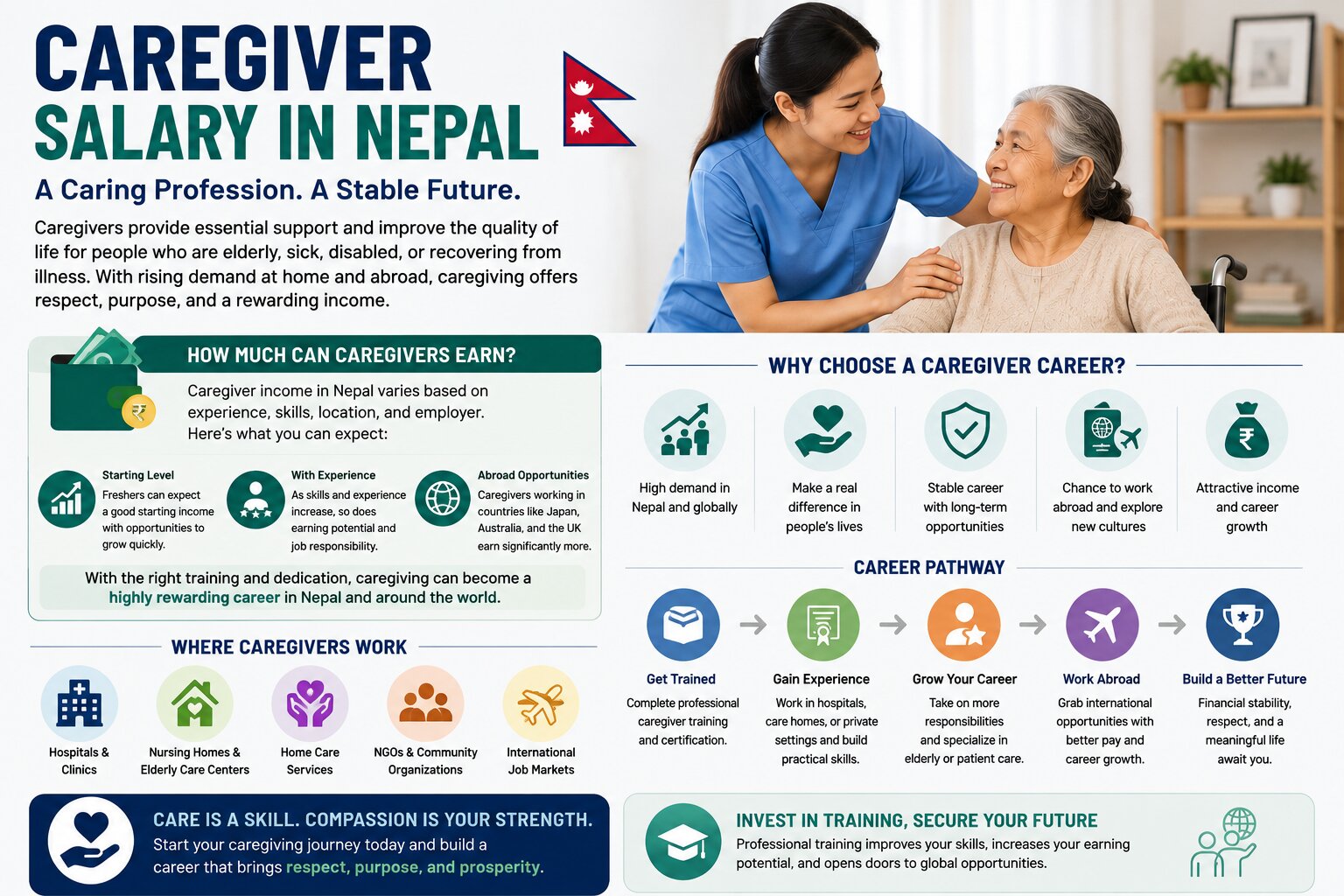
Nepal is experiencing a tremendous shift in its employment, vocational education, and health care landscape that has never been seen before. There is a growing need for qualified, certified childcare workers in towns and cities throughout the country. With the trend of joint households becoming nuclear families and many foreign job opportunities in the healthcare sector (especially in the UK, Israel, Canada, Japan, and countries in the Gulf), the informal role of caregiving is now a well-recognized and highly regulated, well-paid career.
When you're considering taking a vocational training program (like the 390-hour, 2-year course or more required for most medical vocational training programs in the country, or the courses offered by the Council for Technical Education and Vocational Training (CTEVT) or other medical vocational training boards), you may be wondering, What skills will I gain during this intensive training?
Let's go deep into the essential hard and soft skills you will acquire in Nepal during the thorough training of a caregiver and their importance in the clinical setting and how they will lead you to a safe and successful career in healthcare within your country or abroad.
The Socio-Economic Shift: Why is caregiver training so popular in Nepal?
To grasp the significance of this emerging trend in Nepal, it's necessary to consider the country's socio-economic changes. Traditionally these issues of elderly care, chronic illness management, and recovery from surgery and treatment have been addressed in traditional joint families. Several generations were housed in one home and shared duties.
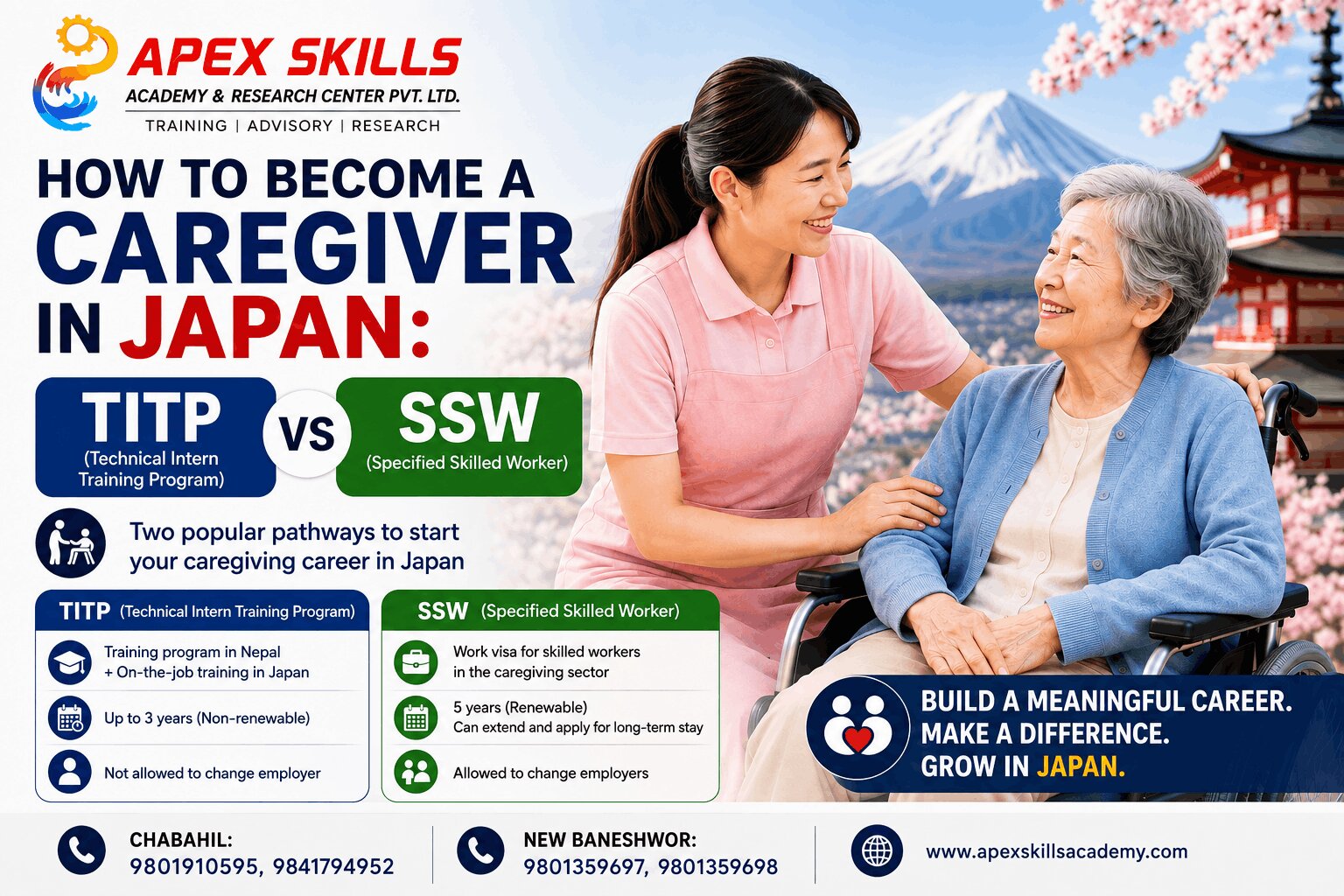
In recent decades, however, there has been large-scale migration of youth to foreign countries to work abroad and to pursue higher education, as well as to distant job markets in urban areas, resulting in a gap in care for thousands of nuclear families of elderly parents and grandparents. Meanwhile, there are significant and unprecedented workforce shortages in the international healthcare support and eldercare sectors. Some countries, such as Israel, the UK, Japan, and other European countries, adopted formal bilateral programs or active recruitment avenues for foreign-trained caregivers.
However, for these well-paying international opportunities, or even high-paying domestic hospital jobs, general goodwill and basic help around the house are not enough. To practice healthcare in the modern era in in-hospital simulation hours, formal certification and standardized competency in healthcare are necessary. That's where certified caregiver training institutes in Nepal come into play, empowering ordinary individuals to become top healthcare professionals in the world.
Ensuring safe patient handling and ergonomic mobility support.
The basics of any professional caregiver course include a significant amount of emphasis on patient ergonomics, body mechanics, and safe physical transfers. It is a very common error by untrained relatives or laypeople to assume that they can lift patients by brute force, twist their backs, and pull awkward angles. This always results in recurring and disabling injuries to the caregiver's back and dangerous and injurious falls for the helpless patient.
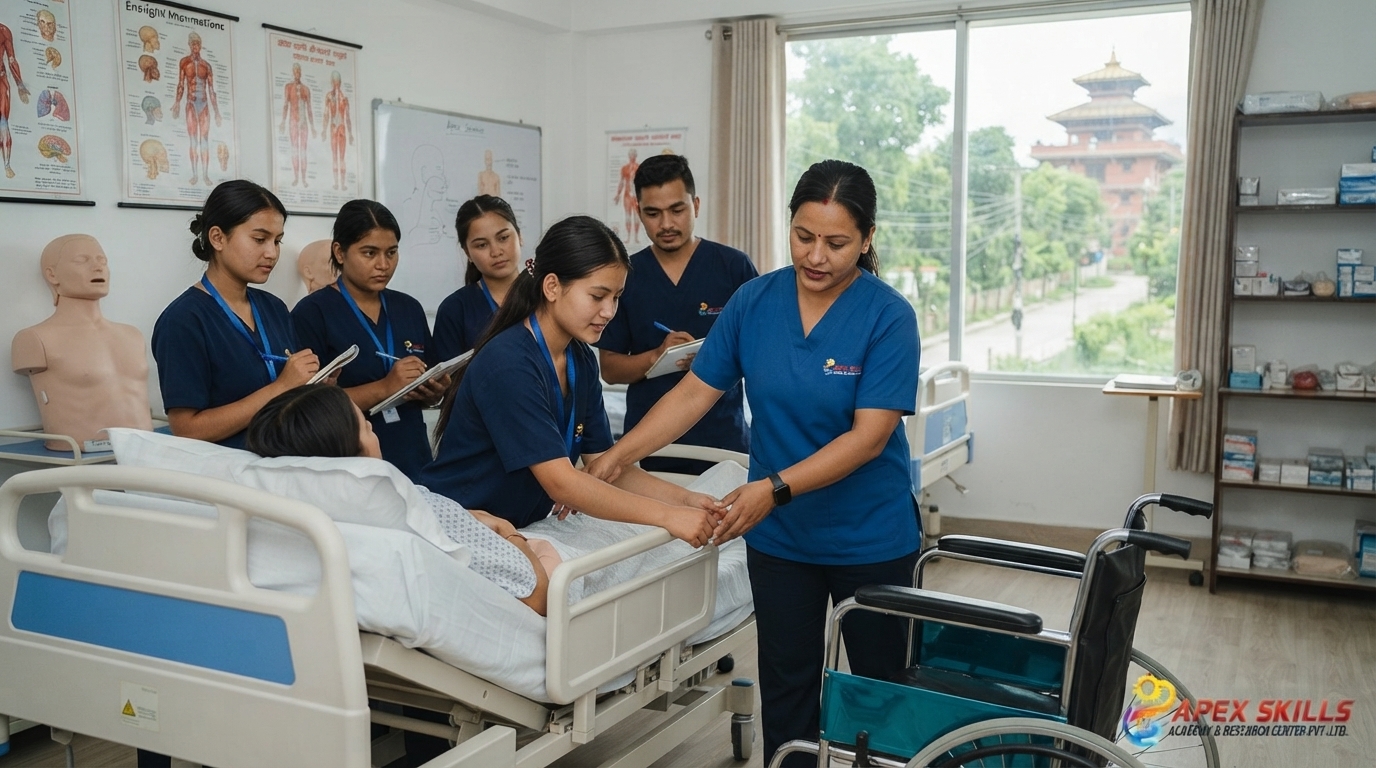
In your practical hospital simulation labs and interactive training workshops, you will learn:
Bed to Wheelchair Transfers: Safely moving a non-ambulatory patient from a flat-lying position to a stable seated position on the edge of the bed and then pivoting him or her to a wheelchair without putting strain on your spine or causing abrupt falls.
Fall Prevention Techniques & Ambulation Support: Using walking supports, Zimmer frames, crutches, and geriatric walkers; and the delicate art of positioning the body to catch or guide a patient that is losing their balance.
Repositioning Bedridden Patients: Turn bedridden patients and shift them regularly every two hours of the day to prevent the formation of painful, costly, and potentially life-threatening pressure sores (decubitus ulcers) and skin breakdown.
Good body mechanics are important for your health as well as the patient's! The most distinguishing characteristic of a trained medical person versus a domestic helper is their skill in transferring patients safely.
Vital Signs Monitoring & Clinical Health Observation
A professional caregiver will often be the first sensory link between a patient and their attending physician, registered nurse, or attending medical doctor. You will have the most direct and uninterrupted hours with the patient and therefore must be able to observe, record, and report everyday health measurements with clinical precision.
You will learn how to: monitor, measure, and record:
Blood Pressures and Pulse Rates: Identifying sudden increases or dangerous decreases that indicate cardiovascular problems, acute anxiety, shock, or negative side effects of drugs.
Body Temperature and Respiration: Be able to identify early signs of systemic infection (fever, hidden fever, inflammation, acute respiratory distress (shortness of breath, shallow breathing pattern, etc.).
Symptom Logging & Medical Charting: Recording of daily changes in behavior, fluid intake/output, and physical changes in a formal medical logbook, which ensures clear and easy communication between shifts and medical professionals.
High standards of hygiene care and infection control
Good personal hygiene is of crucial importance not only to the patient's physical health but also to his/her self-esteem, dignity, and mental well-being. But the clinical/home care environment demands adherence to strict infection control measures to avoid cross-contamination for hygiene care.
This is a complete module to learn hands-on techniques in the following ways:
Partial/Complete Bed Baths and Complete Grooming Provided: Bedridden or mobility-impaired people receive partial or complete bed baths, scalp/hair care, meticulous oral hygiene, nail care, and professional dressing assistance.
The Infection Control Protocols: Include the safe use and disposal of Personal Protective Equipment (PPE), including gloves, masks, and aprons; practicing good hand hygiene in accordance with normal medical hand-washing procedures; and managing clinical waste properly.
Incontinence Care & Catheter Upkeep: Absolute respect, clinical accuracy, and complete hygiene for the care of your urinary catheter and the protection of your skin.
Specialist Elderly Care and Dementia Support
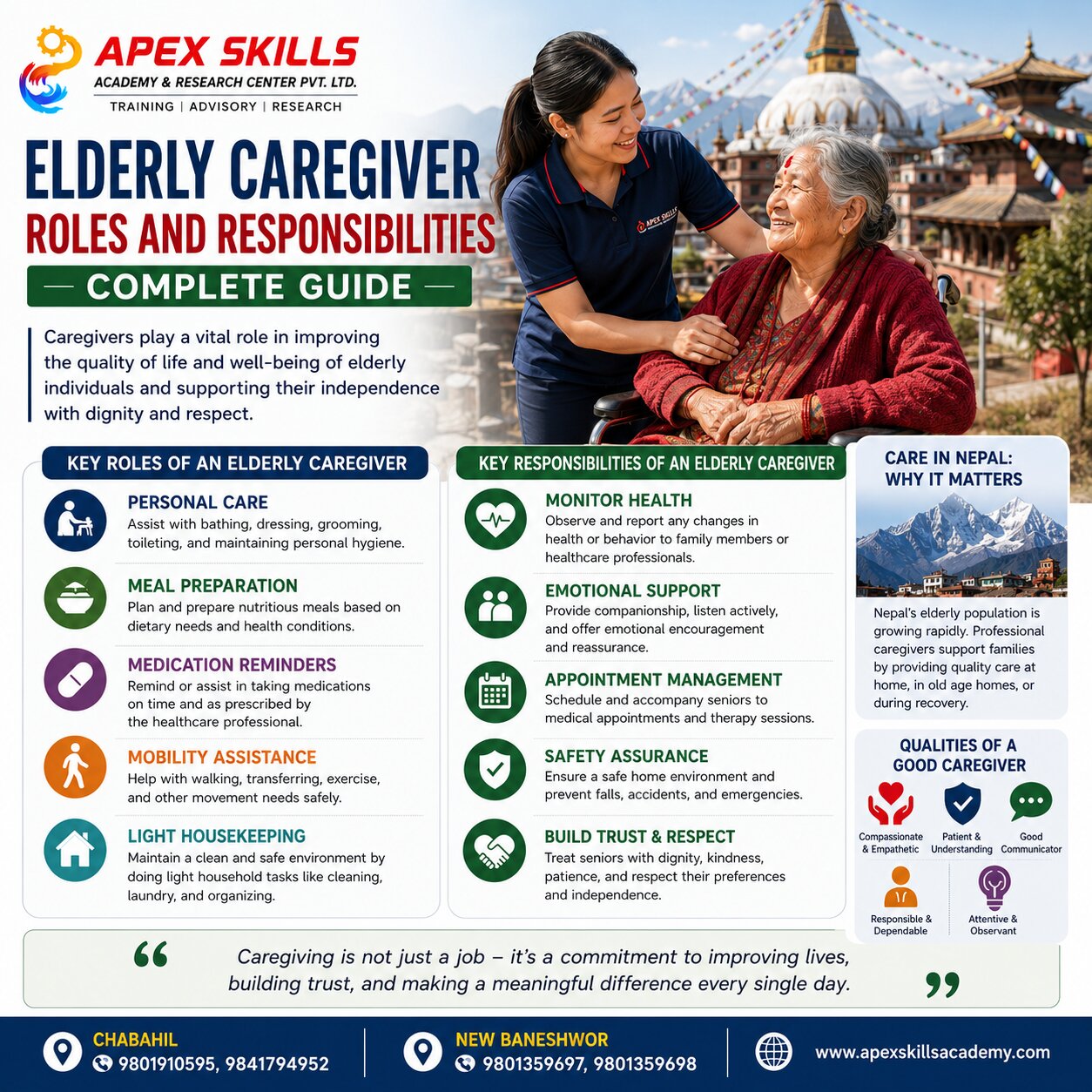
A significant amount of professional care in Nepal is provided to elderly people, so a good vocational course in Nepal also includes special training in geriatrics. There are a myriad of emotional, psychological, and neurological changes that occur with age that demand special patience.
You will receive a lot of training in:
Knowing and understanding the aging process: managing common chronic conditions like osteoarthritis, osteoporosis, late-onset diabetes, hypertension, and post-stroke rehabilitation protocols.
Empathizing with the person with dementia: Alzheimer’s or experiencing cognitive decline, dealing with memory loss, confusion, repetition of questions and statements, wandering, and sundowning at night using validation therapy and specialized psychological redirection techniques.
Supporting client independence: encouraging older people to do things for themselves that they are safe doing, support emotional health, personal confidence, and reinvigorated self-worth, rather than learned helplessness.
Master Elderly Care with Apex Skills Academy
Do you want to work with elderly adults and learn the ins and outs of elderly care? Apex Skills Academy provides the best Elderly Caregiver Training Course in Kathmandu aimed at future healthcare professionals.
Nutrition, Therapeutic Meal Support, and Hydration Management
With complex health issues, food preparation is a science in the kitchen; with good health, it begins in the kitchen. A caregiver may be required to plan, modify, prepare, and serve meals that comply with a patient's very specific dietary requirements.
Trainees learn about:
Therapeutic Diets: Planning and preparing meals for special medical needs, such as low sodium for high blood pressure, diabetic diets, renal diets, or soft food diets for dental problems.
Feeding Assistance & Dysphagia Management: Safely feeding patients that may have difficulty swallowing (dysphagia) to prevent choking, food misdirection, and aspiration pneumonia, which can be fatal.
Hydration Monitoring: Monitoring daily hydration for elderly or vulnerable clients to avoid dehydration, cognitive fog, fatigue, and frequent UTI (urinary tract infections).
Emergency Response, CPR, and Basic First Aid
Accidents are possible and can occur anywhere, anytime, and without any warning. It could be a sudden cardiac arrest, a child unexpectedly choked during lunch, or a serious slip and fall accident in the bathroom—a trained caregiver must react quickly, calmly, and without panic.
Your emergency tool kit will contain:
Cardiopulmonary Resuscitation (CPR): Advanced real-life practice using medical mannequins to deal with a person's heart stopping or a sudden loss of breathing until emergency paramedics arrive on the scene.
Choking Relief Protocols: Safe performance of abdominal thrusts (Heimlich maneuver) on conscious, semi-conscious, or wheelchair-bound individuals.
Wound Care and Bleeding Management: Clean minor cuts and apply sterile dressings, provide some bleeding control for minor burns, and stabilize fractures and head bumps until professional transport is achieved.
Communication skills, Counselling skills, Emotional Intelligence (EQ)
You can't be a great caregiver unless you have technical medical skills! Empathy, patience, emotional intelligence, active listening and clear communication are what make an ordinary job a great, respected calling.
At training institutes in Nepal, soft skills development is a strong focus, with the emphasis being on:
Show grace, firmness and calmness to a frustrated, depressed, chronic pain patient who is having a difficult time, a crisis of emotional outburst or grief.
Use active listening with clients to ensure that their elders feel really heard, valued, respected and not isolated from the family.
Establish professional, comforting and open lines of communication with anxious family members who are placing the most valuable people in their care in your hands on a daily basis.
Caregiver courses are essential for anyone relocating to Nepal to work in this role. Whether you're moving to Nepal to work as a caregiver, you need a course that teaches you what to look for.
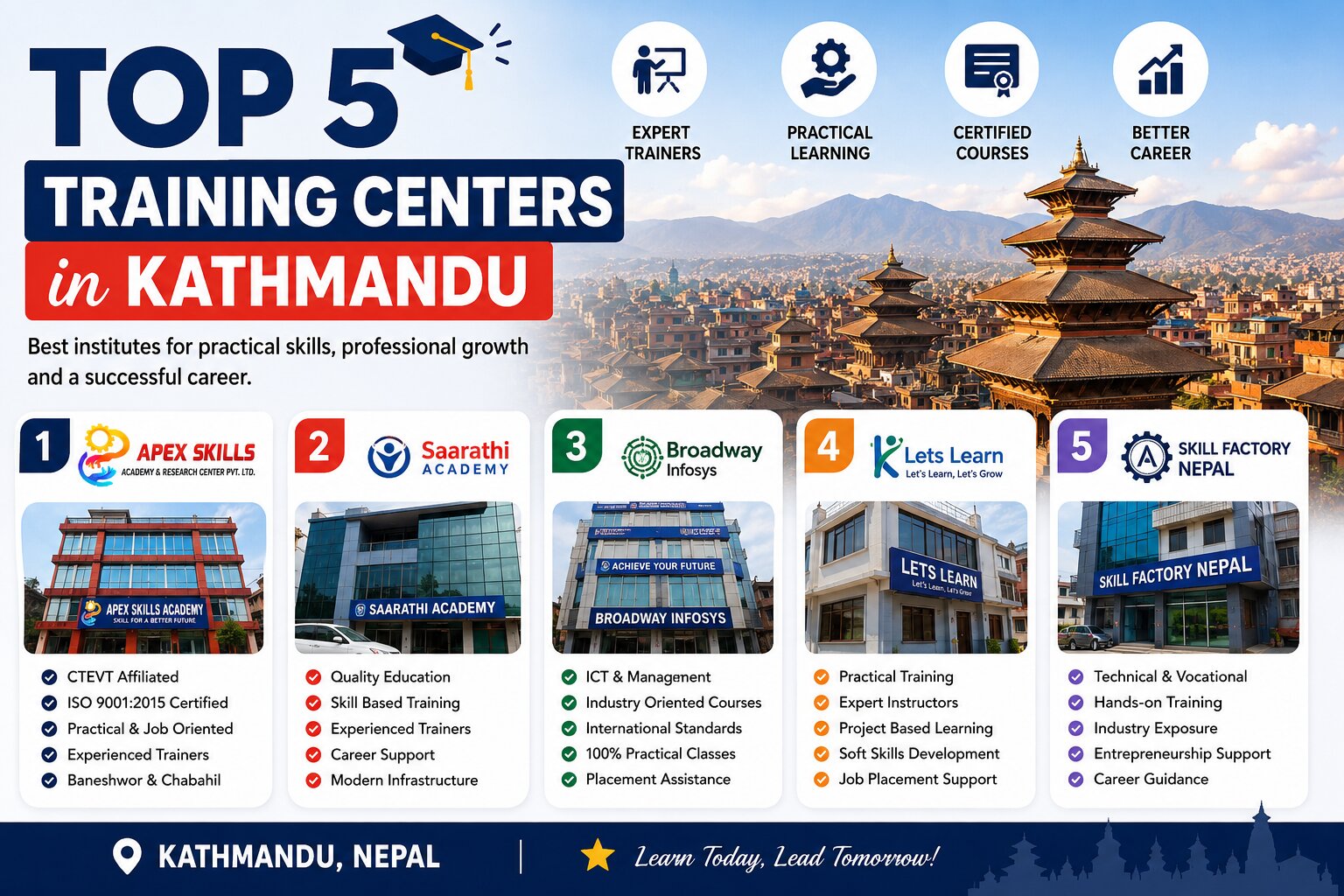
When you are looking for the best training center in Kathmandu, Lalitpur, Pokhara, and other parts of Nepal, make sure the program you are considering ticks all the right boxes for optimal career development and legality:
- CTEVT Alignment / National Accreditation: Check the curriculum standards are approved by the Council for Technical Education and Vocational Training (CTEVT) or recognized regional medical boards.
- Practical lab hours: Make sure that the institute has hospital beds, medical mannequins, and common hospital equipment that are adjustable for simulations in real hospital settings.
- Compulsory On-the-Job Internship: Training program includes a required 1-3 month of practical internship at a senior care facility, diagnostic clinic or established hospital
- Select institutes that have integrated English language and Hebrew or Japanese language proficiency modules and visa and licensing counseling for destination-specific careers if your goal is to work overseas.
Make the Next Step in Your Career Today!
This is not a job that you do to get a completion certificate, it's a job to do every day where YOU make a difference, relieve suffering and bring peace of mind to families.
Once you're suitably trained at a qualified agency, you'll find yourself with entry into the many growing domestic home-care providers, nursing homes, and private hospitals in Nepal, as well as through the many lucrative foreign healthcare corridors.
Looking to establish a solid, reputable, and internationally sought-after career?
Improve your skills for the professional care of elders and lay the groundwork for a business-focused career built on empathy, safety, and dignity, all of which are offered with Apex Skills Academy. With the option of specializing in basic and advanced caregiver training and options for flexible batch timings, practical learning, and modern simulation resources, Apex has got what it takes to help you succeed.
Don't delay and become a certified helper. Contact the admission team of Apex Skills Academy (with its training centres at Chabahil and New Baneshwor, Kathmandu), or check out their official website today, to book your place in the next batch!
Frequently Asked Questions (FAQs)
What is the lowest qualification required to take up a caregiver training course in Nepal?
Most of the CTEVT affiliated caregivers’ courses have a minimum requirement of passing class 8 (SEE or equivalent). A few institutes may require +2 or higher education, particularly for the diploma courses that are meant for foreign employment. It is usually minimum of 18 years, and citizen of Nepal are required. There is no previous experience in healthcare required - only a compassionate attitude and desire to learn.
In Nepal, how many days does the caregiver training course last?
The standard CTEVT-qualified caregiver courses are 3-month long (390 hours) comprising of theory, practical lab sessions and mandatory internship. Advanced diploma courses (Level IV or specialized aged care) are available from 5 months to 12 months depending on the country requirements for the destination (such as Japan, Australia, UK). STG or disability care modules can be finished in 4-6 weeks.
About how much does it cost to train caregivers in Nepal?
The course fee varies from institute to institute, duration and certification. The expenses of basic 3-month CTEVT caregiver courses range from NPR 35,000 to NPR 90,000. The full diploma courses with international certificates (CPD-UK, SDC Canada, ISO) cost between NPR 100,000 and NPR 180,000. Practical lab access and internship placement as well as job counseling may be covered in fees.
Is certification by CTEVT compulsory for the jobs of a caregiver in Nepal and other countries?
Yes. CTEVT is the government recognized vocational council in Nepal. For jobs overseas in the caregiver field, a CTEVT certificate is required for Department of Foreign Employment (DoFE) clearance. CTEVT certification is also preferred by many domestic hospitals, nursing homes and home-care agencies in the hiring process.
5. What skills will I be practicing in the practical training sessions?
Practical modules include safe patient handling – bed to wheelchair; monitoring of vital signs – blood pressure, pulse and temperature; infection control procedures – use of PPE, hand hygiene, clinical waste disposal procedures; bed baths and grooming; incontinence and catheter care; therapeutic meal preparation; CPR and first aid; and dementia communication techniques. Training involves hospital simulation labs with medical mannequins and equipment.
6. Is there an internship or a job training component for the course?
In good institutes, there is a mandatory internship period of 1-3 months at hospitals, senior care centers, or diagnostic centers. It is an essential hands-on experience that is important for confidence building, application of classroom knowledge, and the fulfilment of the requirements of the CTEVT curriculum. Several programs also provide placement after the internship.