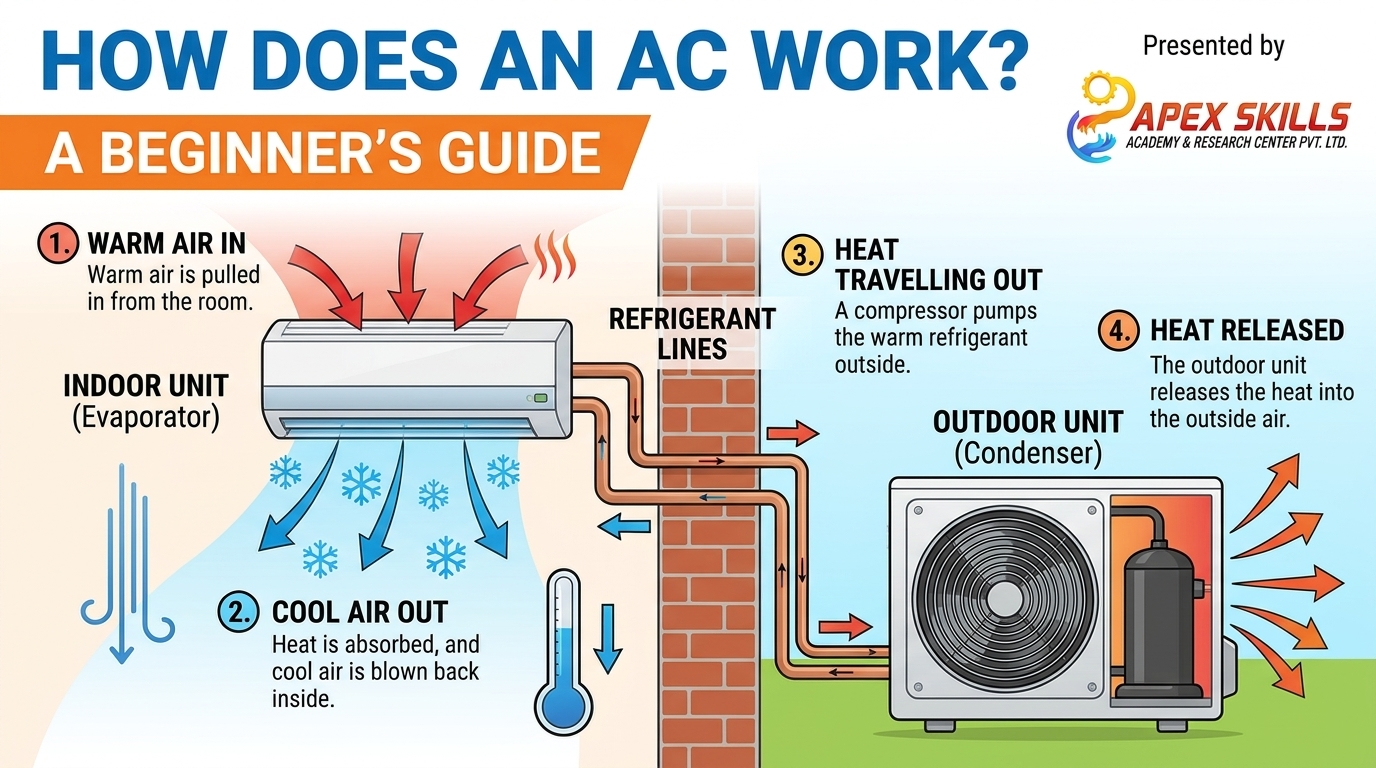
An air conditioner doesn't produce cold air; rather, it removes the heat from inside air and then expels that heat to the outside. This is accomplished using a refrigerant circulating within a closed-loop system of coils, pipes, and other mechanical parts. The indoor fan pulls in room air over the cold evaporator coil, and the outdoor unit expels the captured heat.
The process of learning air conditioning repair requires a thorough understanding of the function of each component of the system. In addition, you need to know how to perform a proper inspection and service of your unit. This guide will provide a clear explanation of how an AC system works, the primary components, the refrigeration cycle, and basic safety considerations for performing repairs on the system.
The Simple Idea: An AC Moves Heat
When there is a temperature difference between two areas, heat will always move naturally towards the cooler area. However, an air conditioner can reverse this natural process by using electrical energy to force heat out of the home and into the outdoors. This process is made possible by the use of refrigerant, which can take on heat when it evaporates (turns into gas) and then give off that same heat when it condenses (turns back into liquid).
Think of a cool drinking vessel in a hot climate. The exterior of the container will have condensation (water drops) due to the heat loss of the moisture in the surrounding air. In a similar manner, a moisture removal process occurs at the evaporator coil of an AC unit. Moisture is collected from the room's heated air by the system and then condenses onto the coil before draining out.
The refrigerant remains sealed within the refrigeration system while it operates normally. There are two different coils that allow room air and outdoor air to flow past each other. Neither coil requires the use of refrigerant.
Main Parts of an Air Conditioner
A typical split air conditioner uses four main refrigeration components. Fans, filters, sensors, and controls support the cooling process.
Main Parts of an Air Conditioner
|
Part |
What it does |
Typical location |
Easy way to remember |
|
Compressor |
Draws in low-pressure refrigerant vapor, compresses it, and raises its pressure and temperature. |
Outdoor unit |
The pump that circulates refrigerant |
|
Condenser coil |
Releases heat to outdoor air as refrigerant changes from hot, high-pressure vapor to liquid. |
Outdoor unit |
A heat-releasing radiator |
|
Expansion device |
Restricts refrigerant flow and drops its pressure, preparing it for the evaporator. |
Between high- and low-pressure sides |
A controlled pressure drop |
|
Evaporator coil |
Absorbs heat from indoor air as the refrigerant boils and becomes vapor. |
Indoor unit |
The coil that collects room heat |
|
Fans |
Move indoor and outdoor air across their respective coils. |
Indoor and outdoor units |
Airflow helpers |
|
Air filter |
Captures airborne dust before air reaches the indoor coil. |
Indoor unit |
A protective screen for airflow |
How the AC Refrigeration Cycle Works, Step by Step
The cooling process is commonly explained as a four-stage vapor-compression refrigeration cycle. The refrigerant repeatedly changes pressure, temperature and state as it moves through the system.
The Four Stages of the AC Refrigeration Cycle
|
Stage |
Process |
Description |
|
1. COMPRESS |
Compression |
Low-pressure refrigerant vapor enters the compressor. Compression raises its pressure and temperature. |
|
2. CONDENSE |
Condensation |
The hot refrigerant releases heat outdoors and changes into a high-pressure liquid. |
|
3. EXPAND |
Expansion |
The expansion device lowers the refrigerant pressure. Its temperature falls as it enters the low-pressure side. |
|
4. EVAPORATE |
Evaporation |
The refrigerant absorbs heat indoors and boils into vapor, then returns to the compressor. |
Cycle direction: COMPRESSOR → CONDENSER → EXPANSION DEVICE → EVAPORATOR → COMPRESSOR
Compression
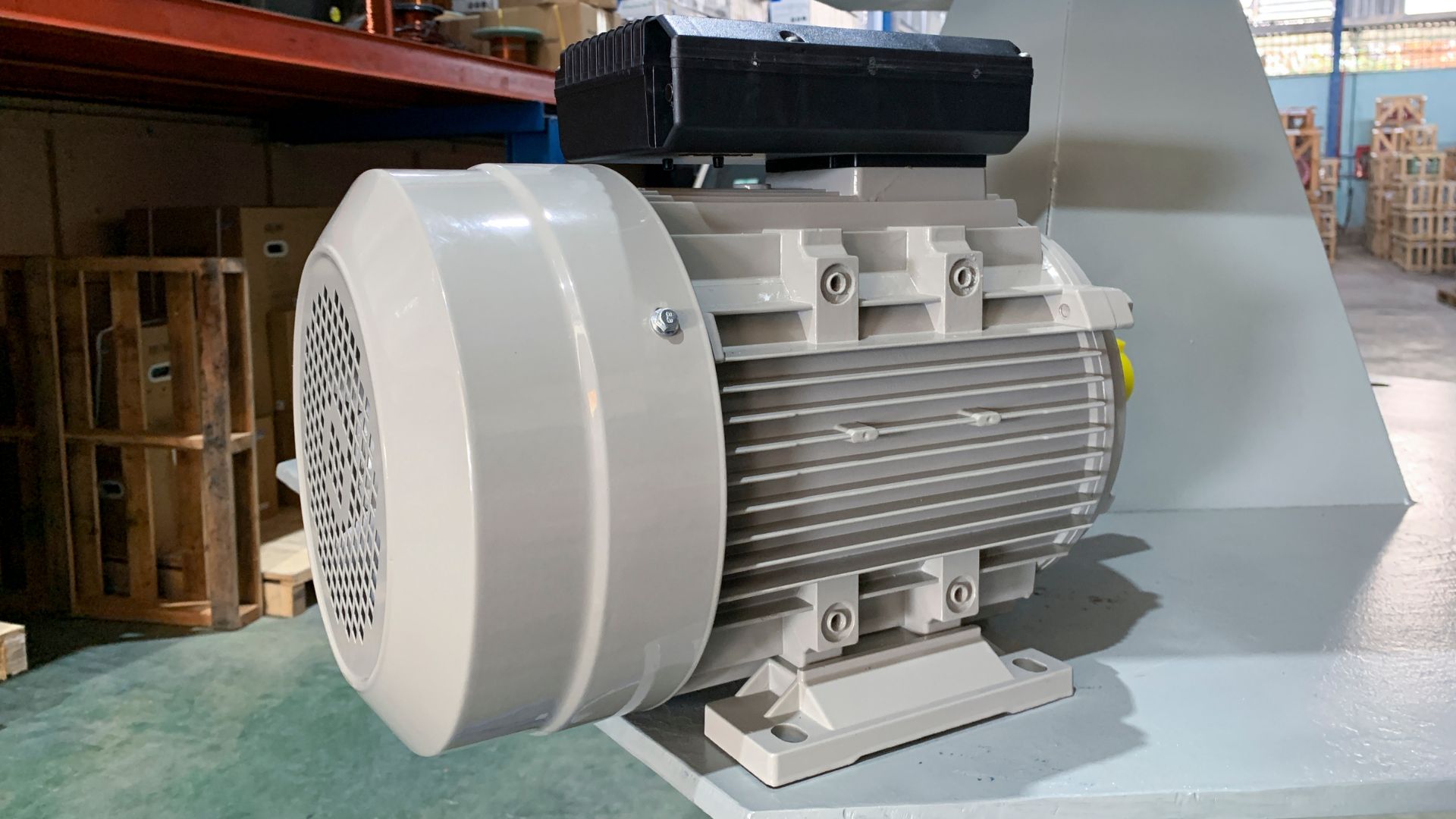
The compressor sucks in low-pressure refrigerant gas from the evaporator. The compressor increases the pressure of the gas, making it hotter. This high-pressure hot gas will move to the condenser. While the compressor is a critical part of the system, it doesn’t cool down anything by itself. For the system to function properly, all parts of the circuit need to work as they should.
Condensation
The condenser coil is found within the outer portion (outdoor unit) of a standard split system air conditioner. The outdoor fan forces air over the coil. Heat from the refrigerant is transferred to the outdoor air as it passes through the coil, and the refrigerant transforms from a gaseous state to a high-pressure liquid. Therefore, when you feel the air coming out of the outer portion (outdoor unit) of your air conditioner, you may find that it feels warm.
Expansion
The liquid refrigerant flows through an expansion device, like a capillary tube or expansion valve. This creates a pressure drop from the high-pressure side to the low-pressure side. As a result, the refrigerant cools down significantly and enters the evaporator as a low-pressure mixture of liquid and gas.
Evaporation
The indoor fan circulates heated indoor air over the evaporator coil. Heat from the air is absorbed by the cold refrigerant, causing the refrigerant to evaporate as a lower pressure gas. The gas then travels back to the compressor, where the process begins again. This continuous transfer of heat from inside the home to outside continues as long as the system operates.
What Happens to the Air Inside the Room?
The fan in the room circulates air through the filter and over the cold evaporator coil. The heat is transferred to the refrigerant from the air. Similarly, if the surface of the coil is at a temperature less than the dew point of the air, water will also condense on the coil. The water is collected and discharged via the drain line through the drain pan.
The air exiting from the indoor unit is cooler and typically contains less humidity than the air entering the indoor unit. Good airflow matters. If the filter is dirty or the coil is blocked, it may not perform as well and will inhibit airflow. A technician needs to check the unit in a systematic manner and not make the low refrigerant assumption.
Split AC or Window AC?
Both the types are based on the same principle of refrigeration. The difference between them is that of positioning the parts.
|
Feature |
Split AC |
Window AC |
|
Component layout |
The indoor unit contains the evaporator and indoor fan. The outdoor unit contains the compressor and condenser. |
Most components are contained in one cabinet installed in a window or wall opening. |
|
Installation |
Requires indoor and outdoor unit placement, refrigerant piping, wiring, and drainage. |
Requires a suitable opening and support for the single cabinet. |
|
Room impact |
The compressor is outside the room, so indoor operation is generally quieter. |
The compressor is in the same cabinet, which is installed at the room opening. |
|
Space and appearance |
Needs wall space indoors and a suitable outdoor location. |
Needs a window or wall opening and occupies part of it. |
Inverter AC vs Non-Inverter AC
The key difference is the control of the compressor. A standard non-inverter AC typically has a fixed-speed compressor that cycles on and off to regulate the temperature. In an inverter AC, electronic control is used to adjust the compressor speed based on the cooling requirement.
|
Point |
Non-inverter AC |
Inverter AC |
|
Compressor operation |
Runs at a fixed operating speed when on; stops when cooling demand is satisfied. |
Can adjust compressor speed to match changing cooling demand. |
|
Temperature control |
Temperature may fluctuate more as the compressor cycles on and off. |
Can maintain a steadier temperature by modulating output. |
|
Energy use |
Frequent start-stop operation can use more energy in some operating conditions. |
Can use less energy when variable-speed operation matches the load efficiently. |
Inverter models are not necessarily the most suitable in all situations. Real energy consumption will depend on the efficiency of the unit, correct sizing, correct installation, room conditions, settings and maintenance.
Refrigerants Technicians Should Know
Absorbing heat in the evaporator and releasing heat in the condenser is the working substance used to absorb-reject heat, known as refrigerant. Each model is available with various refrigerants. The R-22, R-410A, and R-32 refrigerants are examples listed for room air-conditioning systems only and are not intended as a suggestion for any system.
Avoid making an educated guess when identifying a refrigerant. Before servicing, refer to the equipment nameplate and manufacturer's documentation. All refrigerants are under pressure, and some are hazardous, such as flammable. Recovery, charging, leak testing and handling must be done by trained personnel with equipment and procedures appropriate to the refrigerant. Never release refrigerant to the air.
Basic Safety for AC Technician Trainees
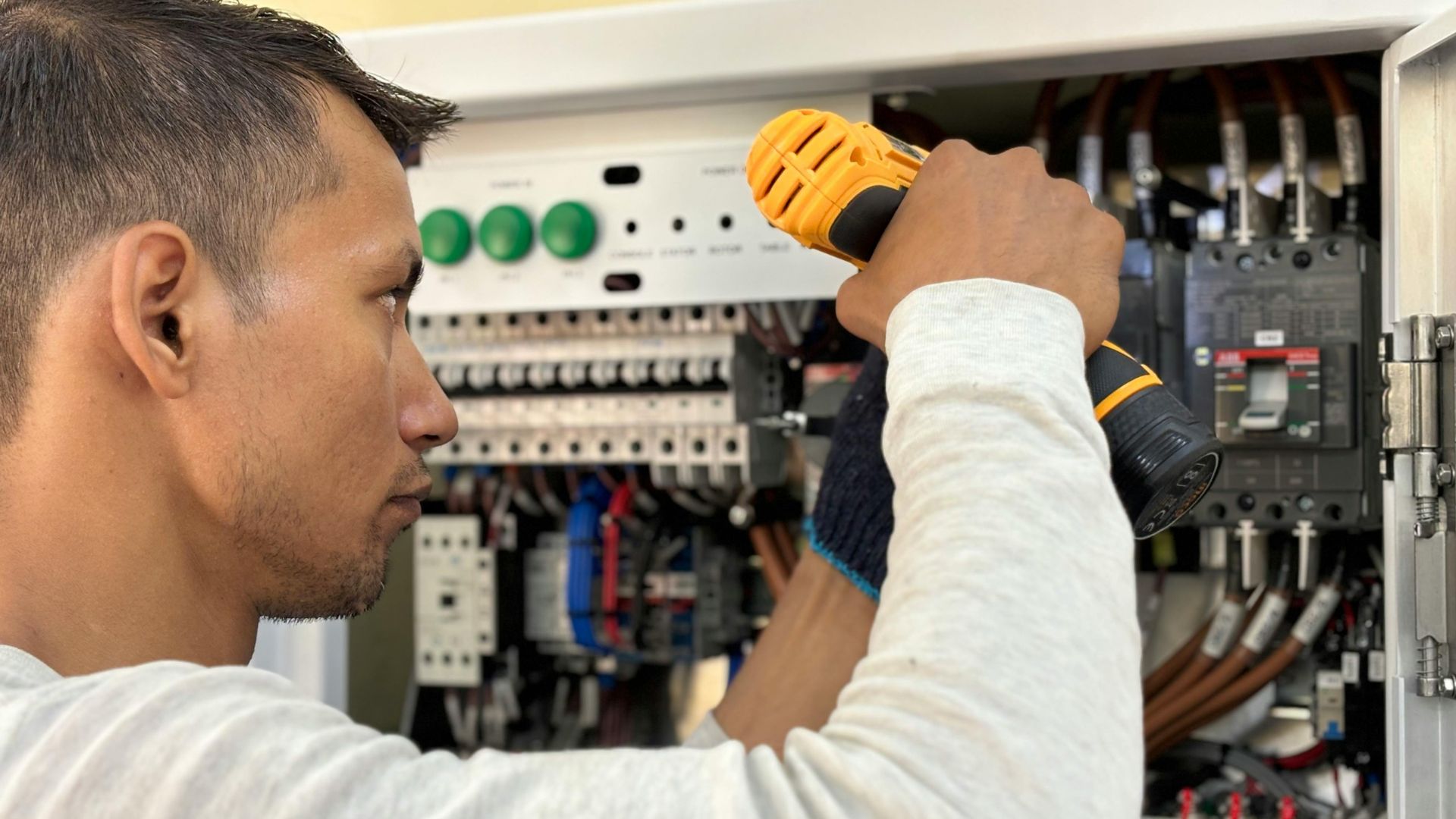
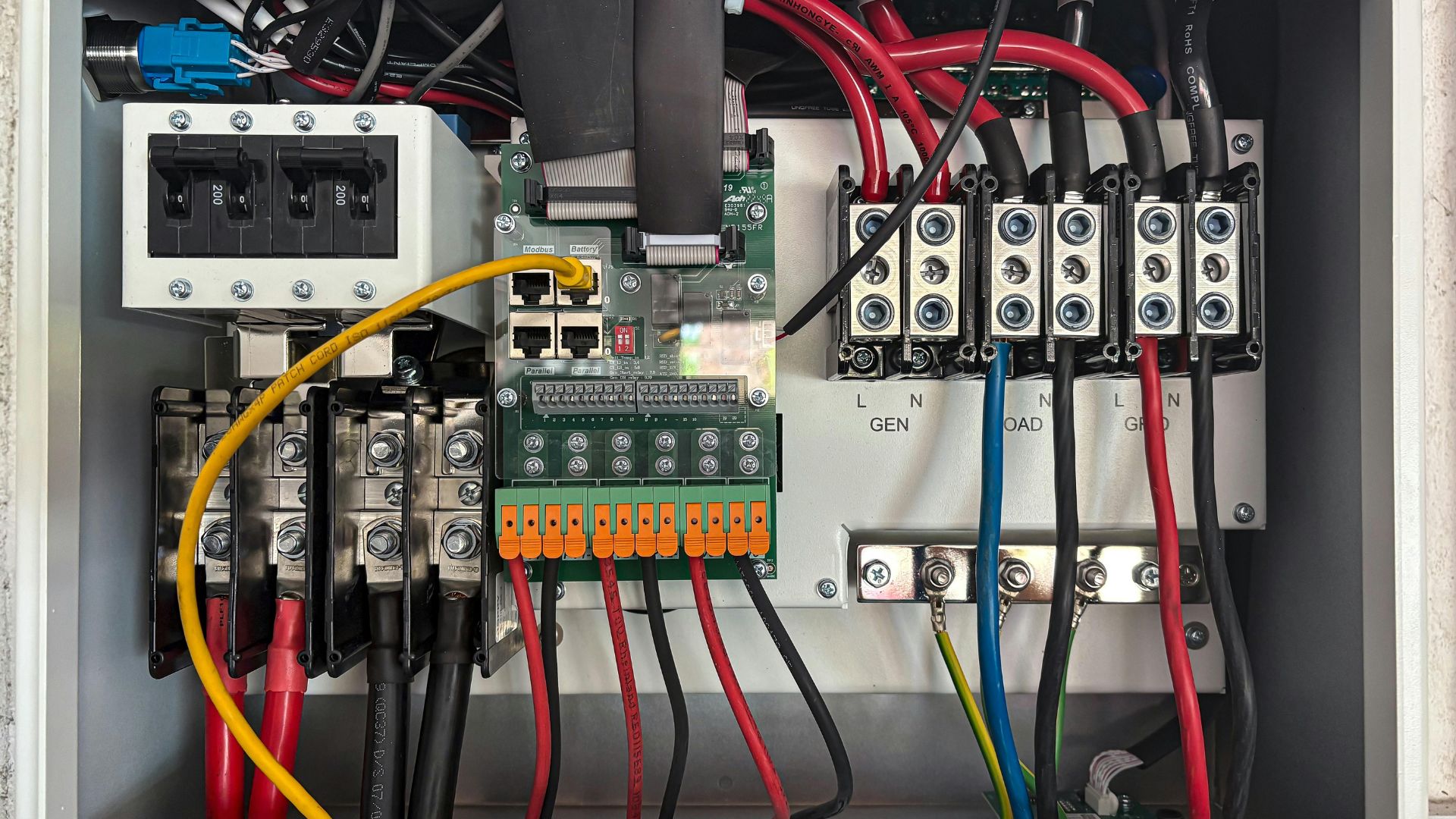
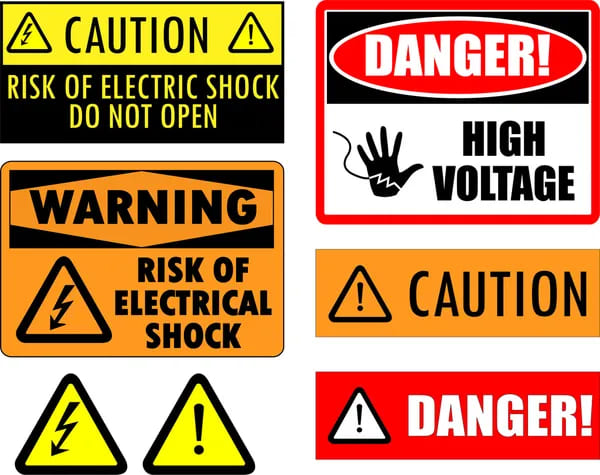
Air-conditioning work involves electrical, mechanical, pressure, and sometimes height hazards. Use your instructor's procedures and manufacturer's service information. Check the power supply is isolated, and equipment is de-energized before any inspection or service where an electrical cover is required to be opened.
Electrical safety: use the appropriate isolation and test procedure. Never touch conductors or presume a unit is safe even if its display is off.
Pressure safety: Avoid opening a sealed circuit or releasing refrigerant connections without proper training, tools, or recovery procedure.
Personal protection: Wear appropriate gloves, eye protection, and other protective gear for the job and refrigerant being used.
Moving parts: Avoid the hands, clothing, and tools touching moving parts such as fans.
Working at height: Ensure safe access equipment is used and comply with the site working at height procedure when outdoor units are above ground level.
Good practice: Check the use of suitable tools, ensure you follow the equipment manual, and when a fault or hazard is not obvious, ask a qualified supervisor.
What You Learn in an AC Technician Course
One thing a technician needs is more than just the definition of the refrigeration cycle. Theory should be linked to the equipment on which they are to be used and the checks carried out when installing and servicing them. Subject matter for the training may, according to the confirmed course syllabus, be:
- Identification of the major components and understanding of the refrigeration cycle.
- Identifying familiar tools and how they are used.
- Knowing basic electrical/mechanical safety protocols.
- Knowing the basics of Air Conditioner installation and periodic maintenance.
- Observing systematic fault finding procedures and being aware of when specialist assistance is needed.
All prospective students are advised to check the course syllabus, entry requirements, course duration, fees and course practical training with Apex Skills Academy prior to joining the course. According to the website, Apex Skills Academy is a vocational training institute that is affiliated with the CTEVT and has been certified under ISO 9001:2015. Check with the academy for up-to-date information and resources about courses.
Frequently Asked Questions
Does an AC make cold air?
No. An AC extracts heat from the interior air and releases it to the exterior. As air flows over the evaporator, the inside coil cools the air down.
Why Does AC Not Cool?
This can be due to dirty filter, restricted airflow, dirty outdoor coil, a fault in the fan or the controls or a fault with the refrigerant circuit. The symptoms may be due to various causes. Get an expert to check the unit out. Never make repairs to a sealed system.
What gas is used in an AC?
ACs are equipped with a refrigerant (type varies by model). Look at the unit's nameplate or manufacturer's paperwork. Don't take it for granted that all ACs have the same refrigerant.
What are the difference between inverter AC and non-inverter AC?
A non-inverter AC will simply turn a fixed-speed compressor on and off. An inverter AC power supply is able to adjust the compressor speed as per the cooling requirements.
Is it possible to become an AC repairman without a degree?
Technical training can be pursued in more ways than earning a degree at a university. Learning through practice, supervision and safety information are significant. Check with the training provider to find out what entry requirements they have.
Start Building Your AC Technician Knowledge
To learn installation, servicing and fault diagnosis, it is crucial to understand how an AC works. Understanding each of the compressor, condenser, expansion device and evaporator make it easier to follow the path of the refrigerant through the system and understand the role each part plays in cooling.
For hands-on experience, Contact Us or talk to Apex Skills Academy about their AC/Refrigeration Technician program. You can enquire about the course at the New Baneshwor or Chabahil branch, or call 9801910595 / 9801359697.
Exploring other technical trades? See our Plumbing and Welding course, or browse all Apex courses.